
Tsom: Ethiopian fasting, and where to eat it in the DMV
No meat, no dairy, no eggs, for around 180 days a year. What the Ethiopian and Eritrean Orthodox fast means, whether today is a fasting day, and the DMV kitchens that cook for it.
Fasting (Tsom) ጾም · Today
Not a fasting day today
The next fast is Advent (Fast of the Prophets, Tsome Nebiyat) (ጾመ ነቢያት), starting November 25, 2026.
Fasting ጾም, pronounced tsom, is one of the oldest and most defining practices of the Ethiopian Orthodox Tewahedo Church, and of the Eritrean Orthodox Tewahedo Church that shares the same tradition. It is not a diet or a cleanse. It is a spiritual discipline, a way of bending the appetites of the body toward the will of the soul, of seeking forgiveness, and of remembering the poor. The church teaches that a fast is only truly complete when the eyes, the mouth, and the ears are guarded from evil as well, not only the stomach from food.[1]
What sets this tradition apart is its sheer reach. It is widely regarded as the strictest fasting regime of any Christian church, with roughly 180 obligatory fasting days a year for lay people and up to about 250 for clergy and the most devout.[2] The framework is ancient. It draws on scripture, on the example of Christ's own forty days of fasting, and on the medieval law code known as the Fetha Negest, and it has been carried, almost unbroken, into Habesha kitchens across the DMV today. For the church behind it, see the Ethiopian Orthodox Church, explained.
No meat, no dairy, no eggs: around 180 days a year, and one of the great vegan cuisines on earth.
What fasting means at the table
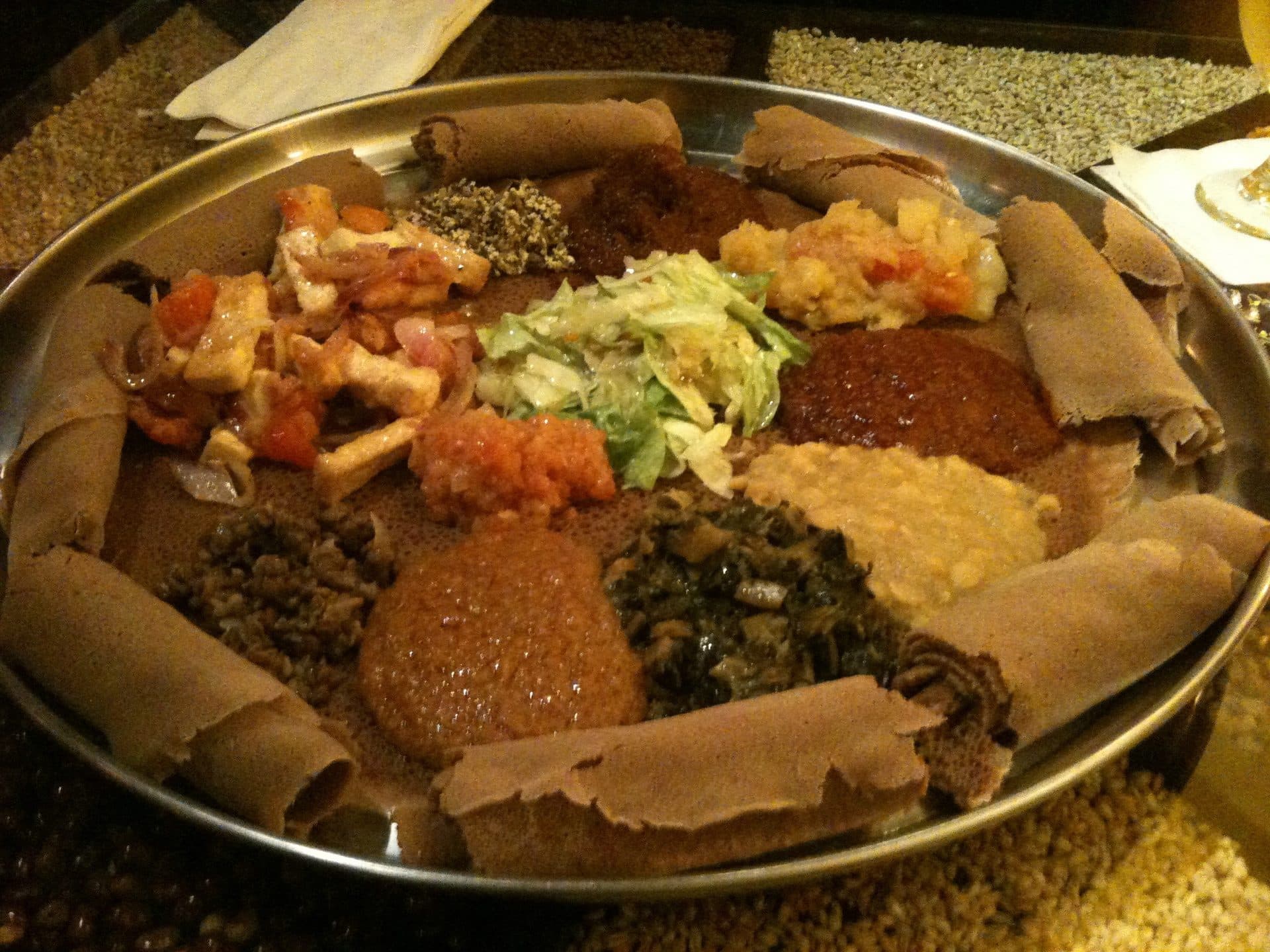
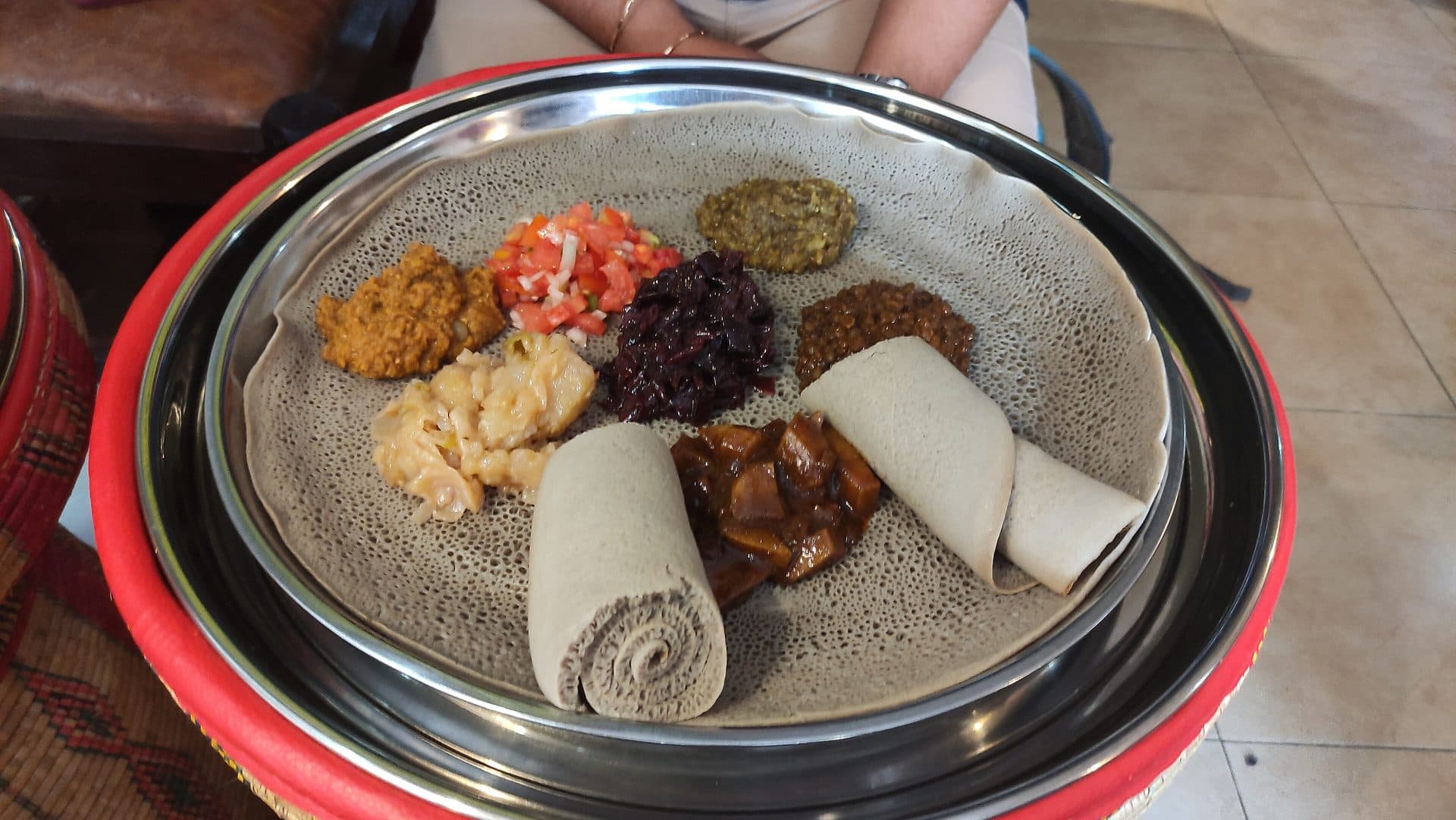
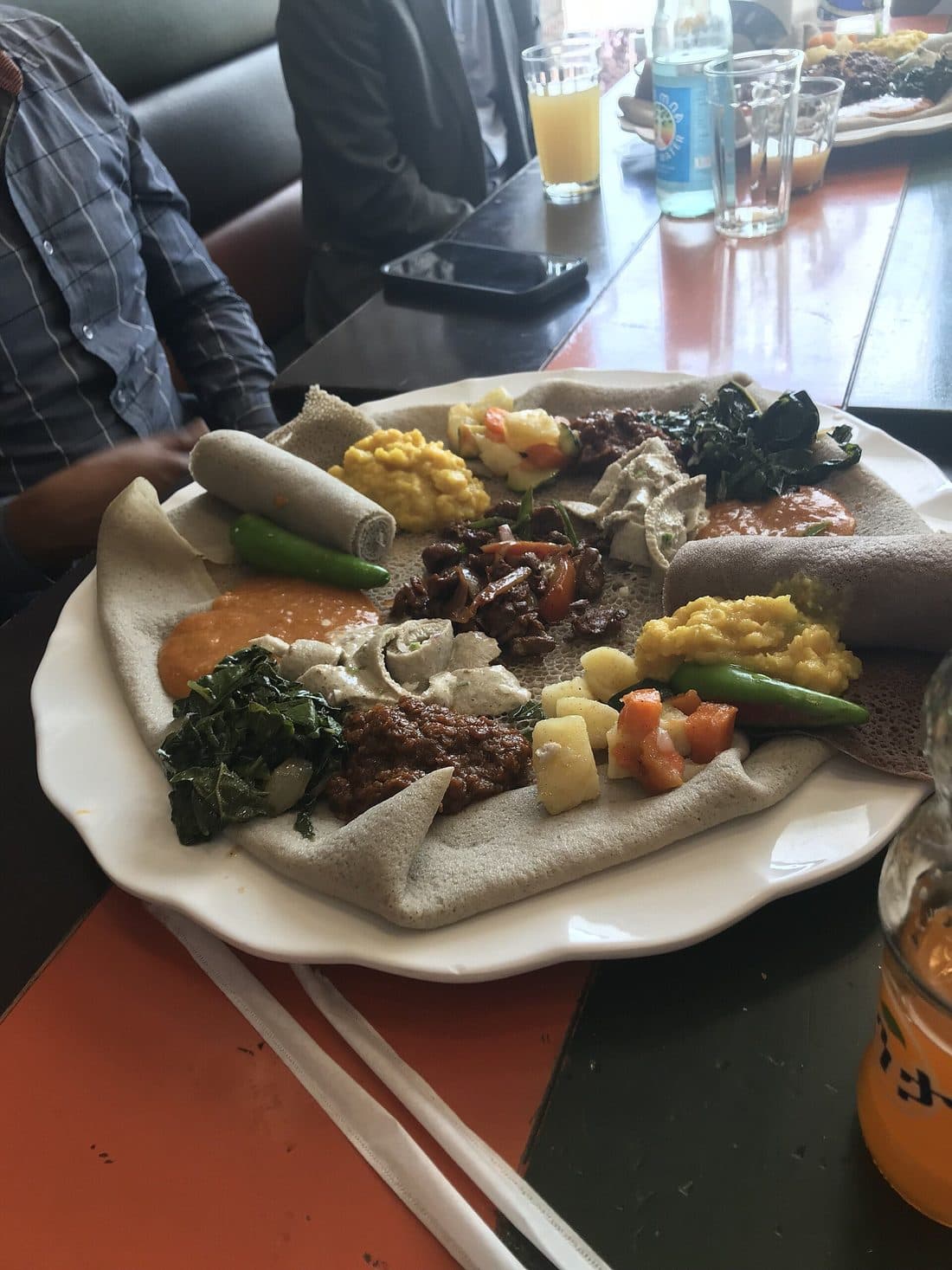
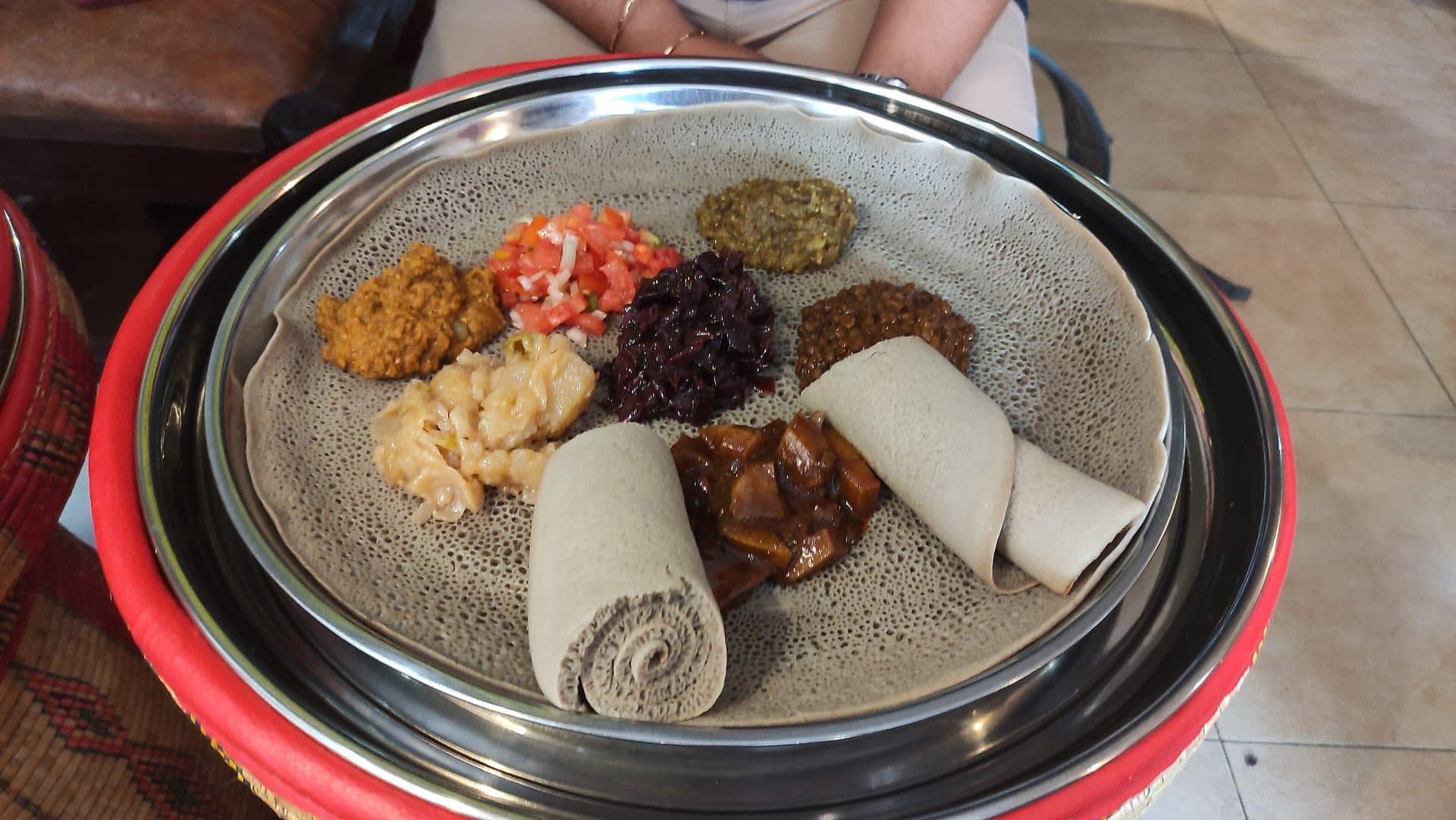
On a fasting day the observant eat no animal products at all. No meat, no dairy, no eggs. In practice that makes the food vegan, which is exactly why Ethiopian and Eritrean cooking is such a gift to plant-based eaters. During the strict seasons the faithful also take only one meal, eaten after the church services, and many abstain from food and drink until around 3 p.m. This is where the great vegetable spreads come from. A በያይነቱ beyaynetu, the platter "of every kind," gathers shiro, misir wat, gomen, atkilt, and more onto a single round of injera, a full and satisfying meal built entirely from legumes, grains, and vegetables.[2]
Where to eat it in the DMV
Filter by how strictly you are eating. Fasting is the hub; vegan and vegetarian narrow the list to the restaurants and dishes that fit.
Fasting dishes to look for
Places with a fasting menu
Habesha restaurants and markets in the DMV that serve tsom food. See them all.

Habesha Market & Carry-out
Ethiopian market and carry-out near Little Ethiopia

Keren Cafe & Restaurant
Ethiopian Restaurant
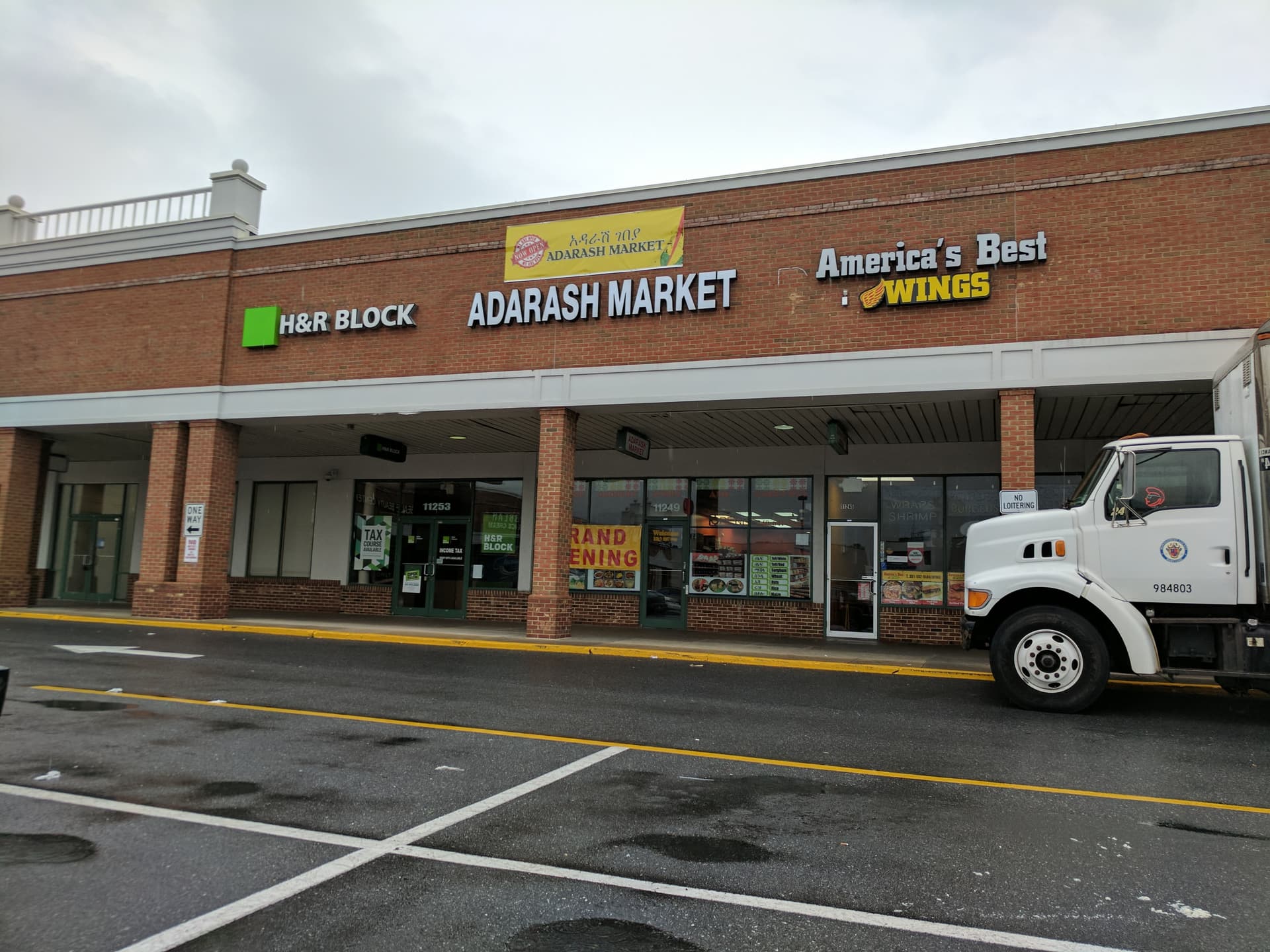
Adarash Market & Carryout - White Oak
Adarash Market & Carryout - Rockville
Adarash Market & Carryout - Briggs Chaney
Dama Restaurant
Ethiopian Restaurant

Effoi Restaurant
Eri Star Cafe and Restaurant


Gursha Ethiopian Cuisine
Ethiopian Restaurant


The fasting seasons
The church keeps seven fasting periods. The longest and most solemn is Abiy Tsom ዐቢይ ጾም, the Great Fast, also called Hudadi, an eight-week fast of about 55 days that leads up to Fasika (Easter) and follows the fast Christ kept in the wilderness. Before Christmas comes Tsome Nebiyat ጾመ ነብያት, the Fast of the Prophets, or Advent, roughly forty days that end on Gena. Woven through the whole year are the fasts of every Wednesday and Friday ጾመ ድህነት, kept in memory of the council that condemned Christ and of the crucifixion, and lifted only in the fifty days after Easter. The remaining fasts, the Fast of the Apostles, the Fast of the Assumption (Filseta), the Fast of Nineveh, and the eves of Christmas and Timket, complete the year.[1] They follow the Ethiopian calendar, which is why their Gregorian dates move.
The seasons ahead
Advent (Fast of the Prophets, Tsome Nebiyat) ጾመ ነቢያት
The 43 days of fasting before Genna (Ethiopian Christmas), looking toward the Nativity.
November 25, 2026 to January 6, 2027
Fast of Nineveh ጾመ ነነዌ
A three-day fast recalling the people of Nineveh, kept two weeks before Great Lent begins.
February 22, 2027 to February 24, 2027
Great Lent (Abiy Tsom / Hudade) ዐቢይ ጾም
The longest and most important fast, the 55 days leading up to Fasika, kept strictly across the community.
March 8, 2027 to May 1, 2027
Fast of the Apostles ጾመ ሐዋርያት
Begins the day after Pentecost and ends the day before the feast of the Apostles Peter and Paul. Its length shifts with the date of Fasika.
June 21, 2027 to July 11, 2027
Fast of the Assumption (Filseta) ጾመ ፍልሰታ
Two weeks of fasting in Nehase honoring the Dormition of Saint Mary, ending the day before the feast of Filseta.
August 7, 2027 to August 21, 2027
Beyond these seasons, Wednesdays and Fridays are fasting days through most of the year. Dates follow the Ethiopian Orthodox Tewahedo calendar and can vary slightly by tradition, so confirm with your church.
Cook it at home
Vegan fasting dishes, written out in full.
Why it still matters here
For the Habesha community across DC, Maryland, and Virginia, tsom is a quiet thread that ties a family in the diaspora to a rhythm kept for more than a thousand years. It shapes what restaurants cook, what markets stock, and when. On a fasting day a good kitchen fills its warmers with tsom beyaynetu, and knowing the calendar is half of knowing how to eat well. That is what this page is for. Check today's status at the top, find a fasting menu near you, see who serves the best veggie combo in the DMV, or check a packaged food with our Is it fasting? checker. A fast often ends, or a long day of it is softened, around the jebena: read about Ethiopian coffee and the buna ceremony.
Sources
Keep reading
All articles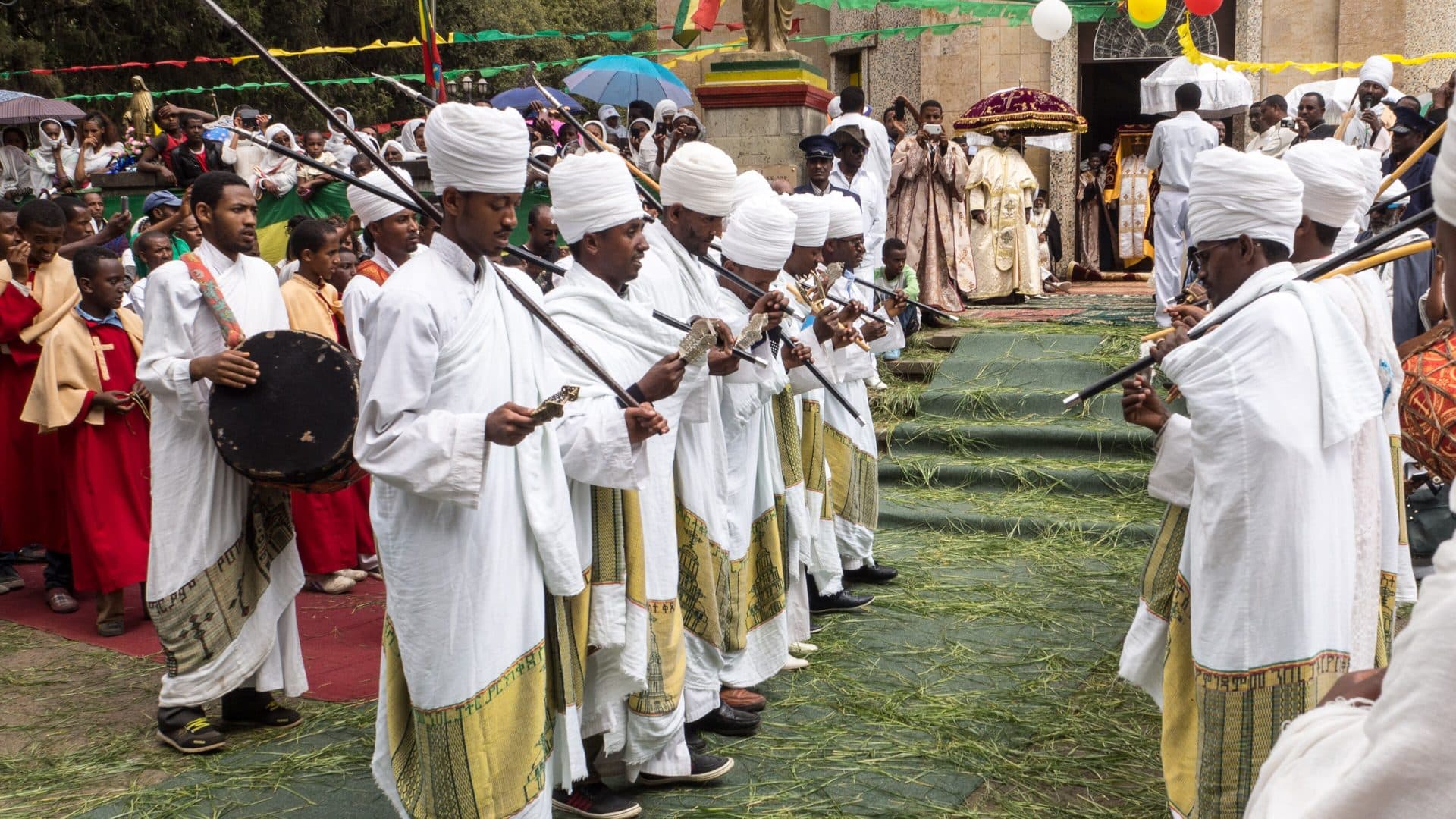
Culture & Faith
The Ethiopian Orthodox Tewahedo Church, explained
One of the world's oldest churches: what Tewahedo means, its 180 fasting days, the tabot and the Ark, Timkat, and the chant of Yared.
Food & Dining
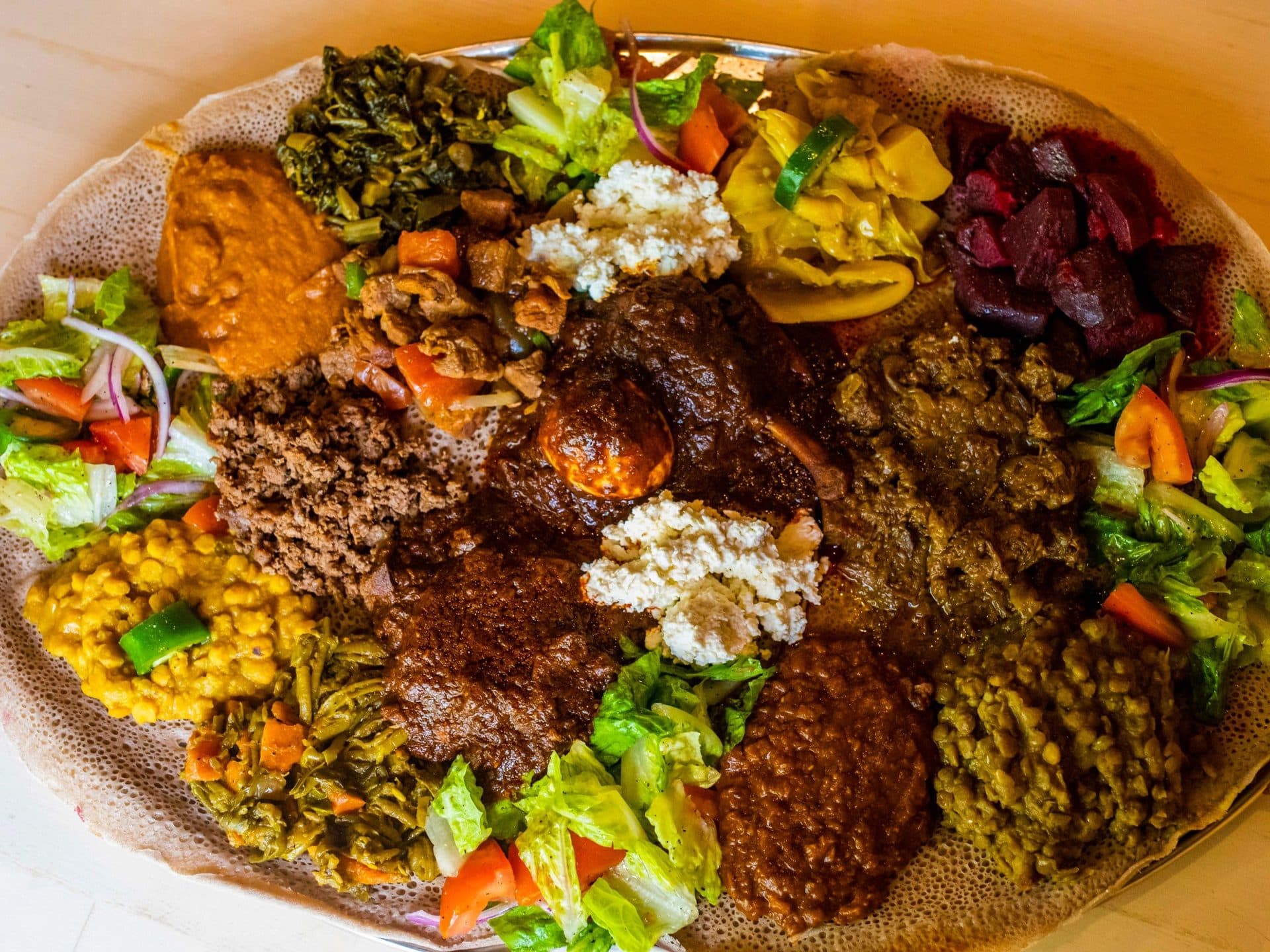
Best Ethiopian restaurant in the DMV?
The food, the injera, the buna, the welcome. The community ranks the Ethiopian and Eritrean restaurants it actually goes back to, and you can add your vote in seconds.
Food & Dining
A guide to Ethiopian and Eritrean food
New to Ethiopian and Eritrean food? Learn injera, the spicy stews (wot), grilled meats like tibs and tire sega, fasting dishes, and how to eat it all with your hands.
The TiruList directory
Everything Habesha in the DMV, in one place.
Restaurants, churches, markets, services, and events, vouched for by the community.