
The Ethiopian calendar, explained
Thirteen months, a new year in September, and a count of years that sits seven behind the rest of the world. It is simpler than it looks once you see why.
Today in Ethiopia
Ehud, Tikimt 8, 2019
እሑድ · ጥቅምት 8 · 2019
It is the year 2019 in Ethiopia right now. On the Gregorian calendar today is Sunday, October 18, 2026.
Convert any dateWhy Ethiopia is seven years behind (and sometimes eight)
The whole gap comes down to a single disagreement about a date: when the angel Gabriel announced to Mary that she would bear Jesus, the moment the church calls the Annunciation. Western Christianity settled on one calculation of that year; the Ethiopian Orthodox Church kept an older one that lands about seven to eight years later.[2] Ethiopia never adopted the Gregorian reform, so its year count simply stayed where it was.
Here is the part that trips people up. Because the Ethiopian year begins in September, not January, the gap is not a fixed number. From January 1 until Ethiopian New Year in September, Ethiopia is eightyears behind. Once the new year turns in September, it is seven behind for the rest of the Gregorian year.[1] That is why you will see both numbers quoted, and both are right, just at different times of the year.
Eight years behind until September, seven years behind after it. Both numbers are right.
Thirteen months of sunshine
Ethiopia keeps thirteen months, not twelve. The first twelve each have exactly 30 days, which makes the calendar wonderfully tidy: every month starts on the same weekday pattern, and there is no juggling of 28, 30, and 31. The leftover days, five of them in a normal year and six in a leap year, gather into a short thirteenth month called Pagume.[1] This year Pagume has 6 days. The name comes from a Greek word for the days "added on" at the end, a small echo of Ethiopia's ancient ties to the Greek-speaking church of Alexandria. The country's tourism board turned all of this into a slogan you still see on posters: thirteen months of sunshine.
A new year in spring green
The Ethiopian year turns on Meskerem 1, which falls on September 11, or September 12 in the year before a Gregorian leap year.[1] It is called Enkutatash, and its timing is no accident: it comes just as the long rains end and the highlands burst into yellow Meskel daisies, so the new year arrives with the landscape at its greenest. Children go door to door singing and handing out flowers.
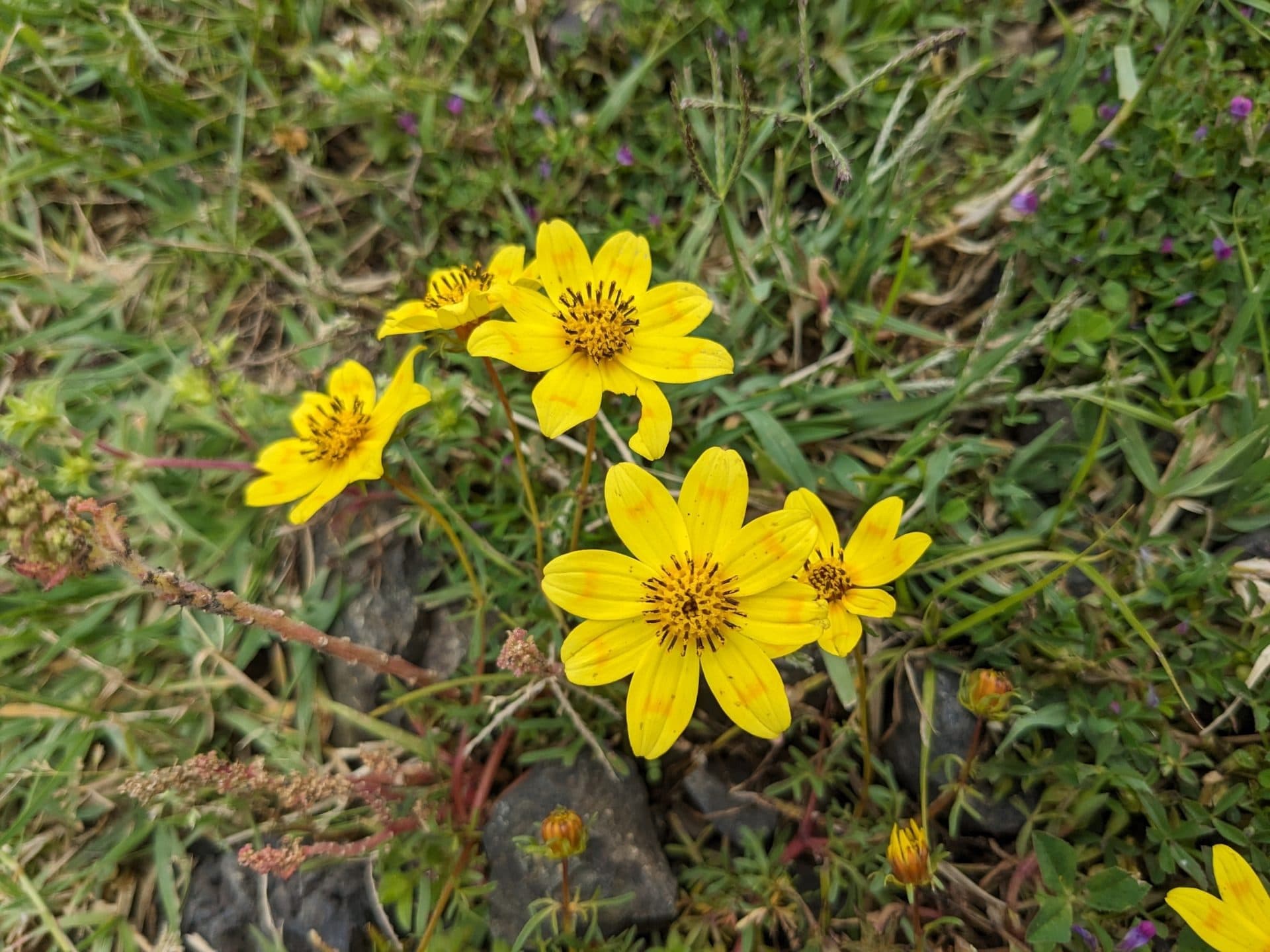
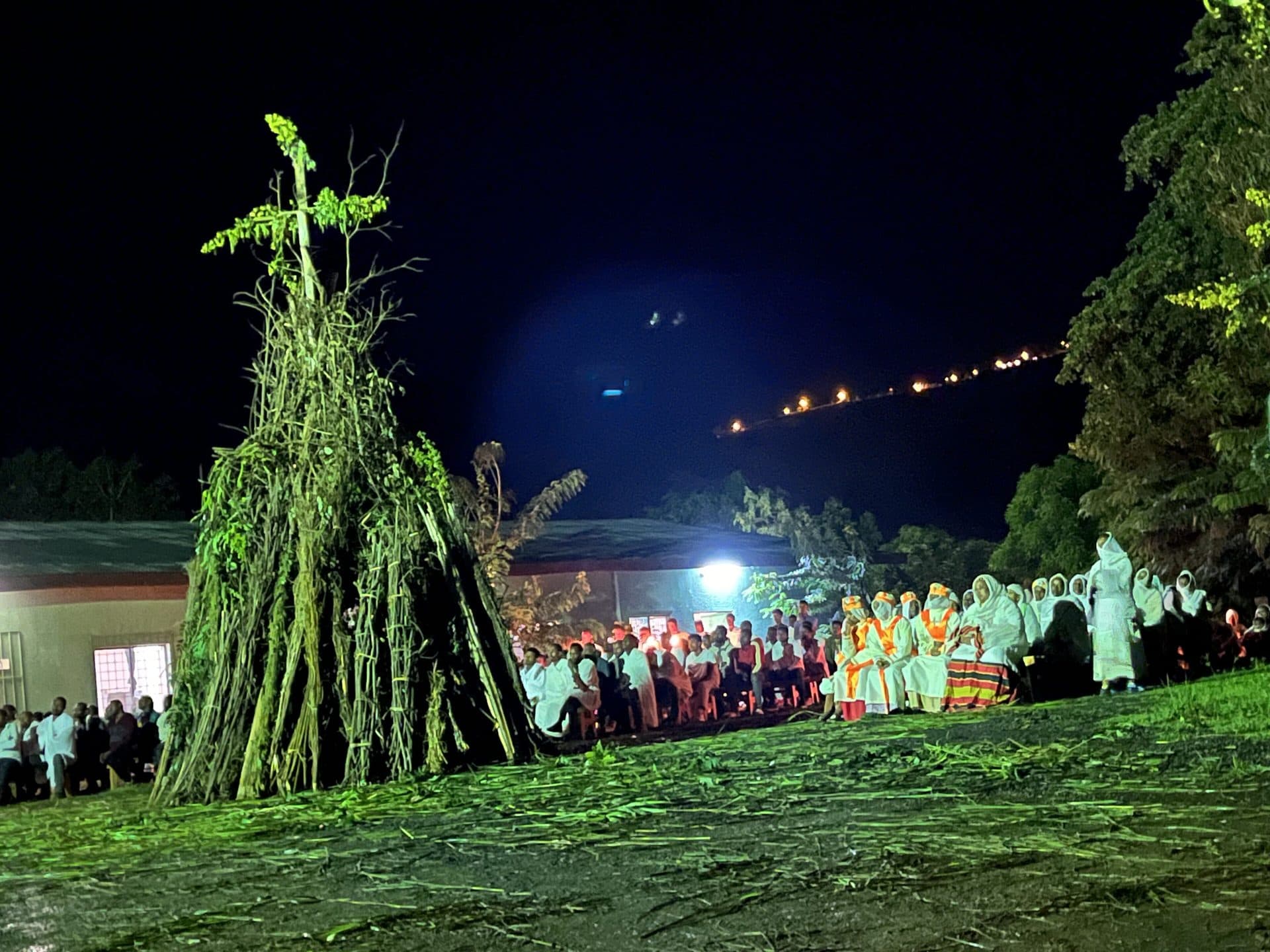
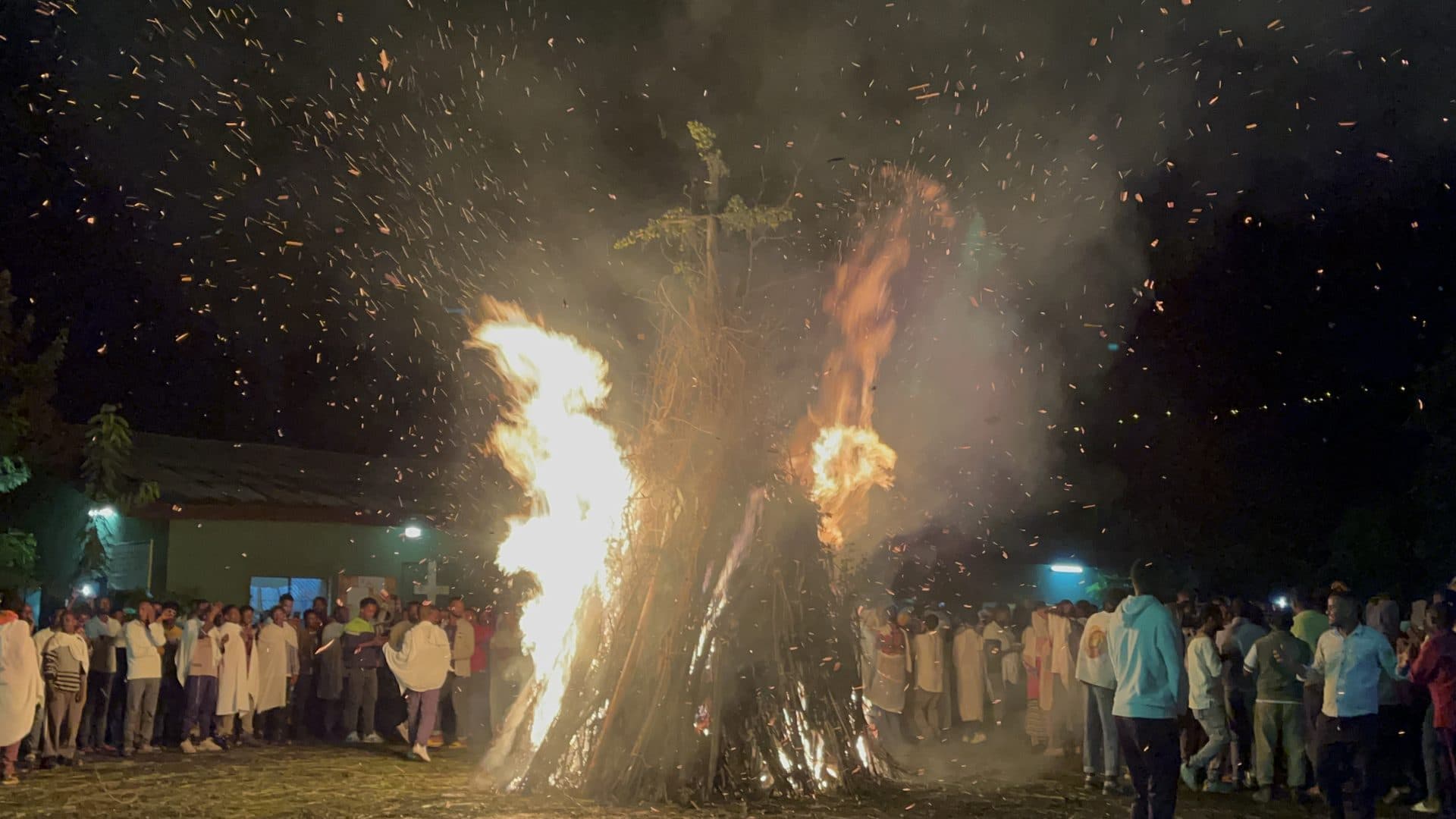
A little over two weeks later comes Meskel, the feast of the Finding of the True Cross, celebrated on September 26 with the towering Demera bonfire, its poles wrapped in green grass and the same Abyssinian daisies that symbolize the new year. UNESCO inscribed Meskel on its Representative List of the Intangible Cultural Heritage of Humanity in 2013.[3] This is worth underlining: the Ethiopian calendar is not only shared by Eritrea, whose Orthodox community keeps the very same reckoning, it is woven into the church year of the Ethiopian Orthodox Church that also governs the fasting seasons. If you want to see how those two fit together, our guide to fasting (tsom) tracks the fasts season by season, and our guide to Meskel and the Demera tells the story behind the bonfire.
Leap years, kept simple
The Ethiopian calendar adds a leap day every four years, no exceptions, giving Pagume its sixth day.[1]The Gregorian calendar is fussier, skipping the leap year in three out of every four century years to stay exactly aligned with the sun. Ethiopia's simpler rule is one reason the two calendars drift by a day in their alignment over long stretches.
One more twist: the clock
While we are here, Ethiopia also tells time differently. The day is counted from dawn, not from midnight, so what a Western clock calls 7:00 in the morning is 1 o'clock in Ethiopia, and noon is 6 o'clock. It makes sense near the equator, where the sun rises and sets at nearly the same hour all year. Our date and time converter handles both the calendar and the clock.
Common questions
What year is it in the Ethiopian calendar right now?
Ethiopia is 7 to 8 years behind the Gregorian calendar. It runs 8 years behind from January 1 until the Ethiopian New Year around September 11, then 7 years behind for the rest of the year. This page shows the exact current Ethiopian year at the top, updated to today.
Why is the Ethiopian calendar 7 years behind?
The gap comes from a different calculation of the year of Jesus's birth, specifically the date of the Annunciation. The Ethiopian Orthodox Church follows an older reckoning that places it about 7 to 8 years later than the count the Western churches adopted, so Ethiopia never shifted to the Gregorian year.
How many months are in the Ethiopian calendar?
Thirteen. Twelve months of exactly 30 days each, plus a short thirteenth month called Pagume with 5 days (6 in a leap year). This is where Ethiopia's tourism slogan, "thirteen months of sunshine," comes from.
When is Ethiopian New Year?
Ethiopian New Year, Enkutatash, falls on Meskerem 1, which lands on September 11 in most years and September 12 in the year before a Gregorian leap year.
Does the Ethiopian calendar have leap years?
Yes, and more simply than the Gregorian one: a leap year every four years without exception, adding a sixth day to Pagume. The Gregorian calendar skips some century leap years; the Ethiopian calendar does not.
Sources
Keep reading
All articles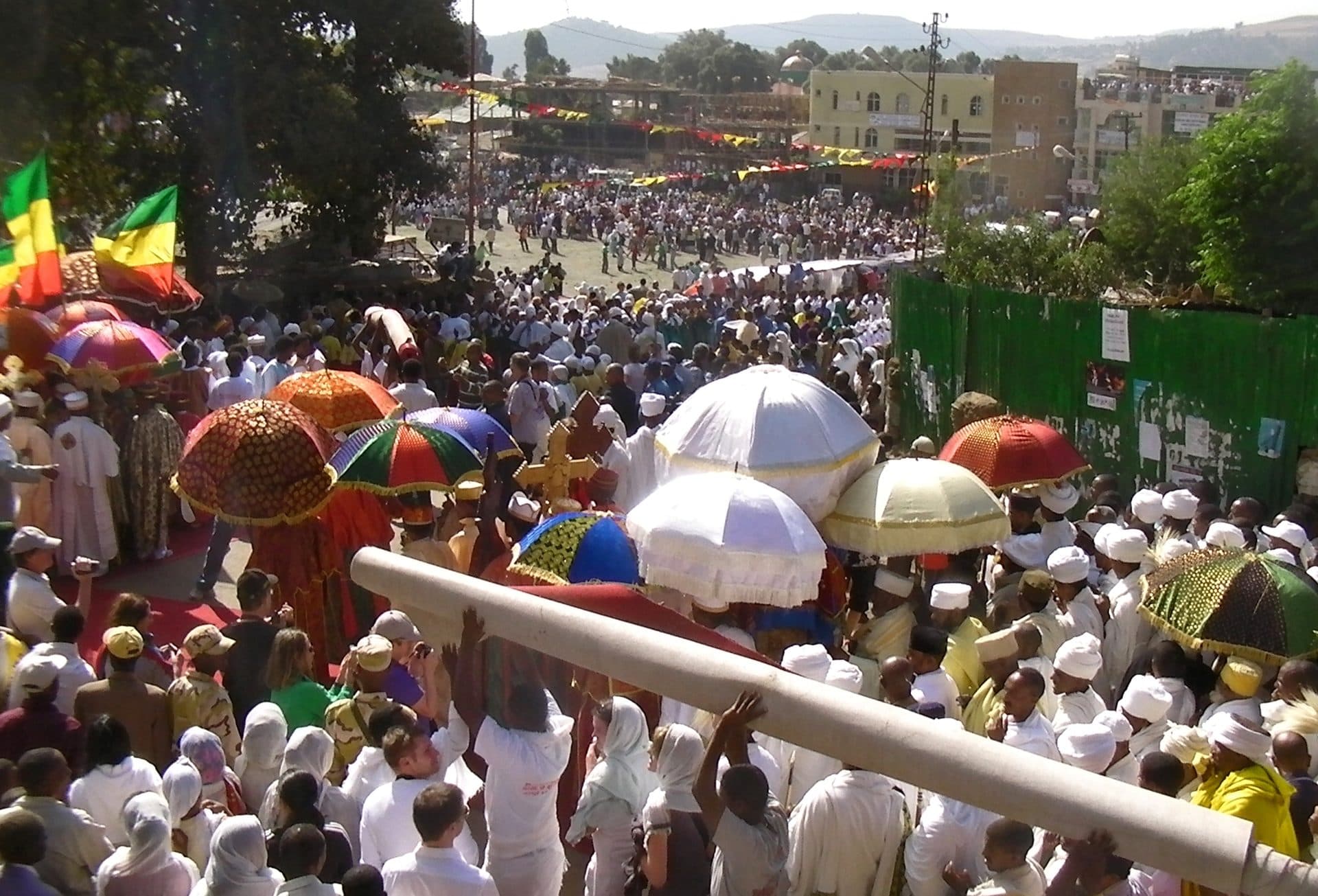
Culture & Faith
Ethiopian and Eritrean holidays
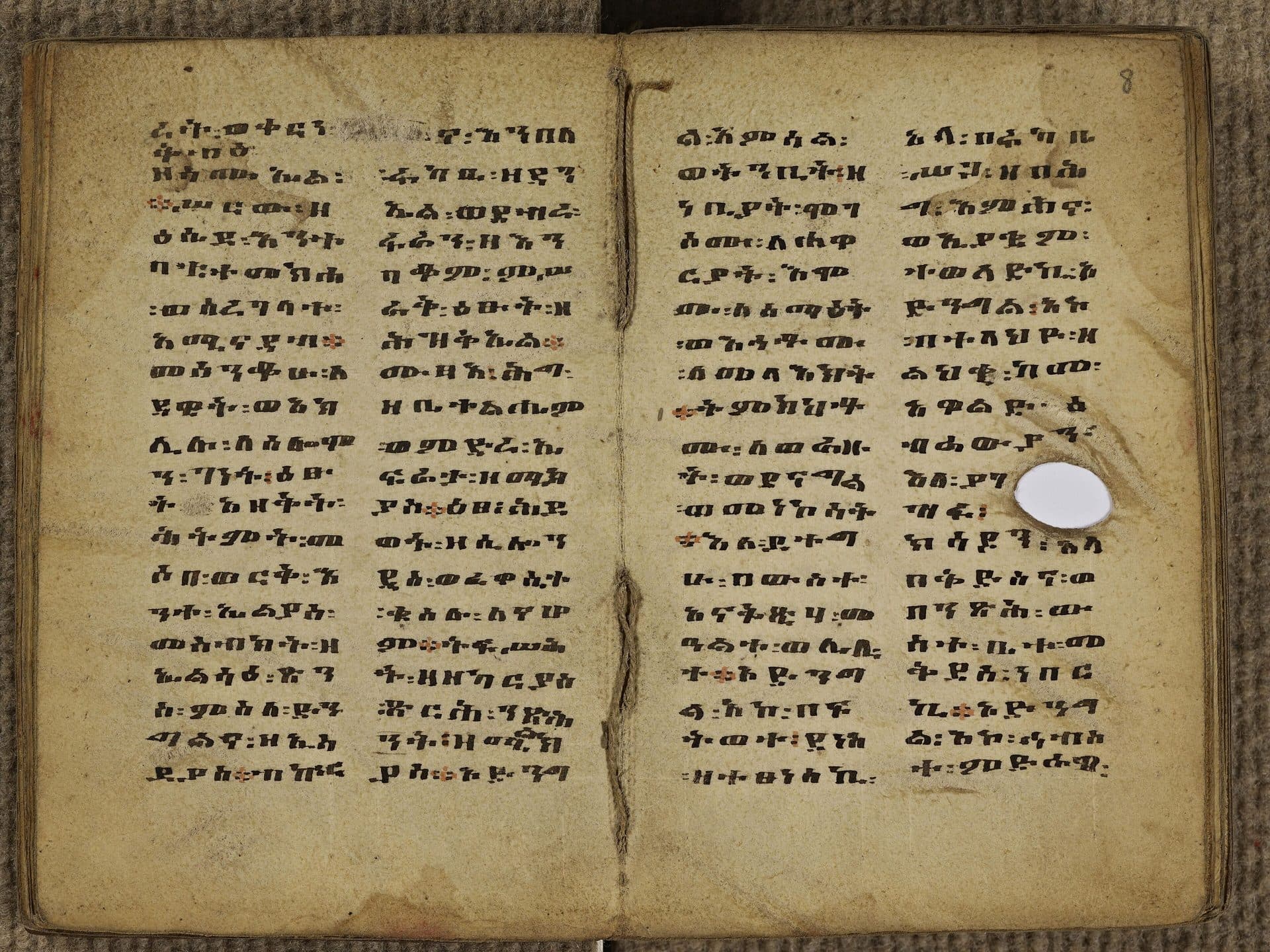
A guide to the major Ethiopian and Eritrean holidays, including Enkutatash (New Year), Meskel, Genna (Christmas), Timket, and Fasika (Easter), and why the Ethiopian calendar runs years behind.
Culture & Faith
The Ethiopian Bible, explained
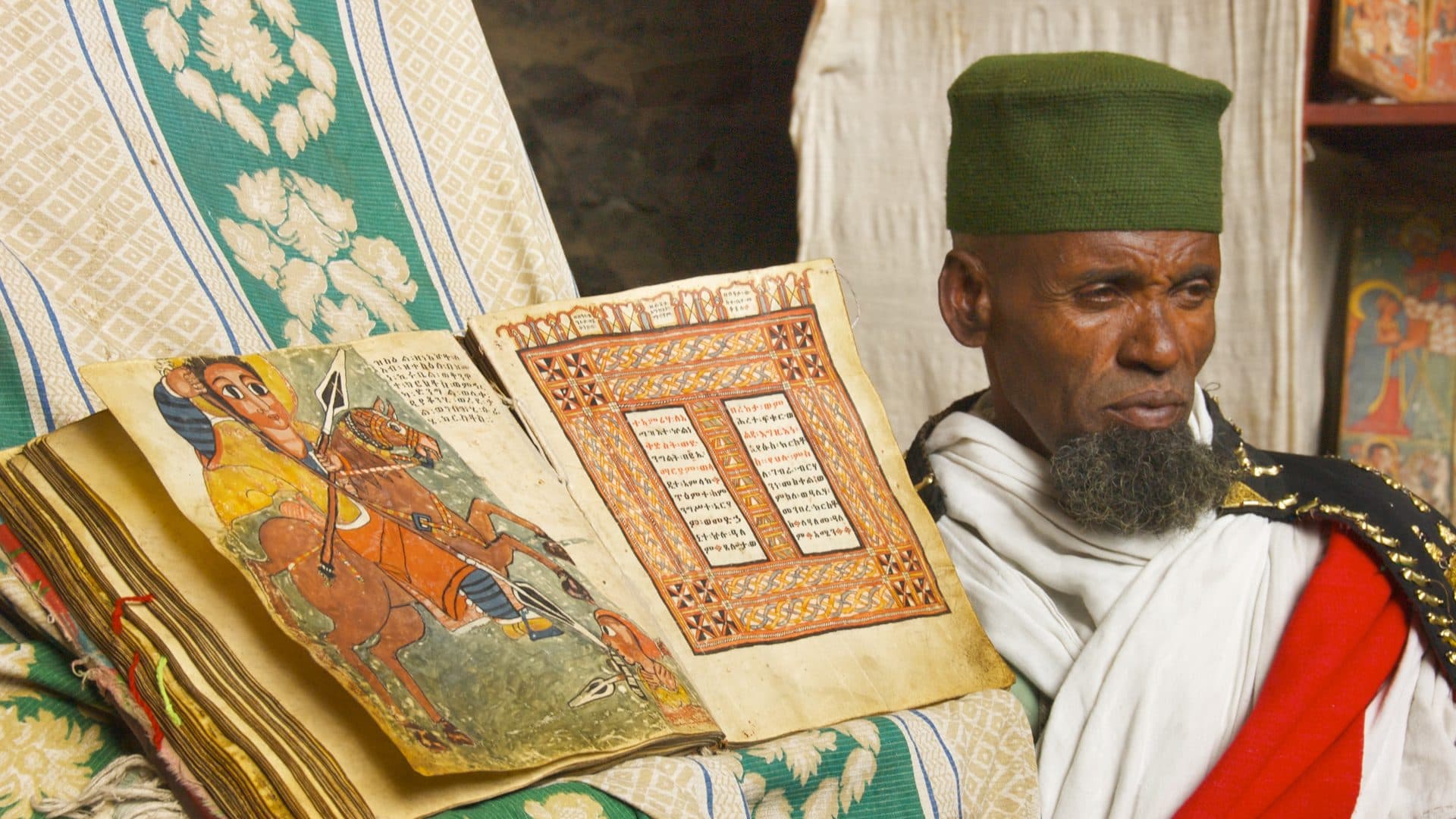
It has 81 books, not 66. It is written in a language almost no one speaks anymore. And it still holds Scripture that the rest of the world quietly lost more than a thousand years ago.
Culture & Faith
The Book of Enoch
A book of fallen angels and giants, older than the Dead Sea Scrolls, quoted in the New Testament, and left out of nearly every Bible on earth. One church never let it go.
The TiruList directory
Everything Habesha in the DMV, in one place.
Restaurants, churches, markets, services, and events, vouched for by the community.