
The Book of Enoch
A book of fallen angels and giants, older than the Dead Sea Scrolls, quoted in the New Testament, and left out of nearly every Bible on earth. One church never let it go.
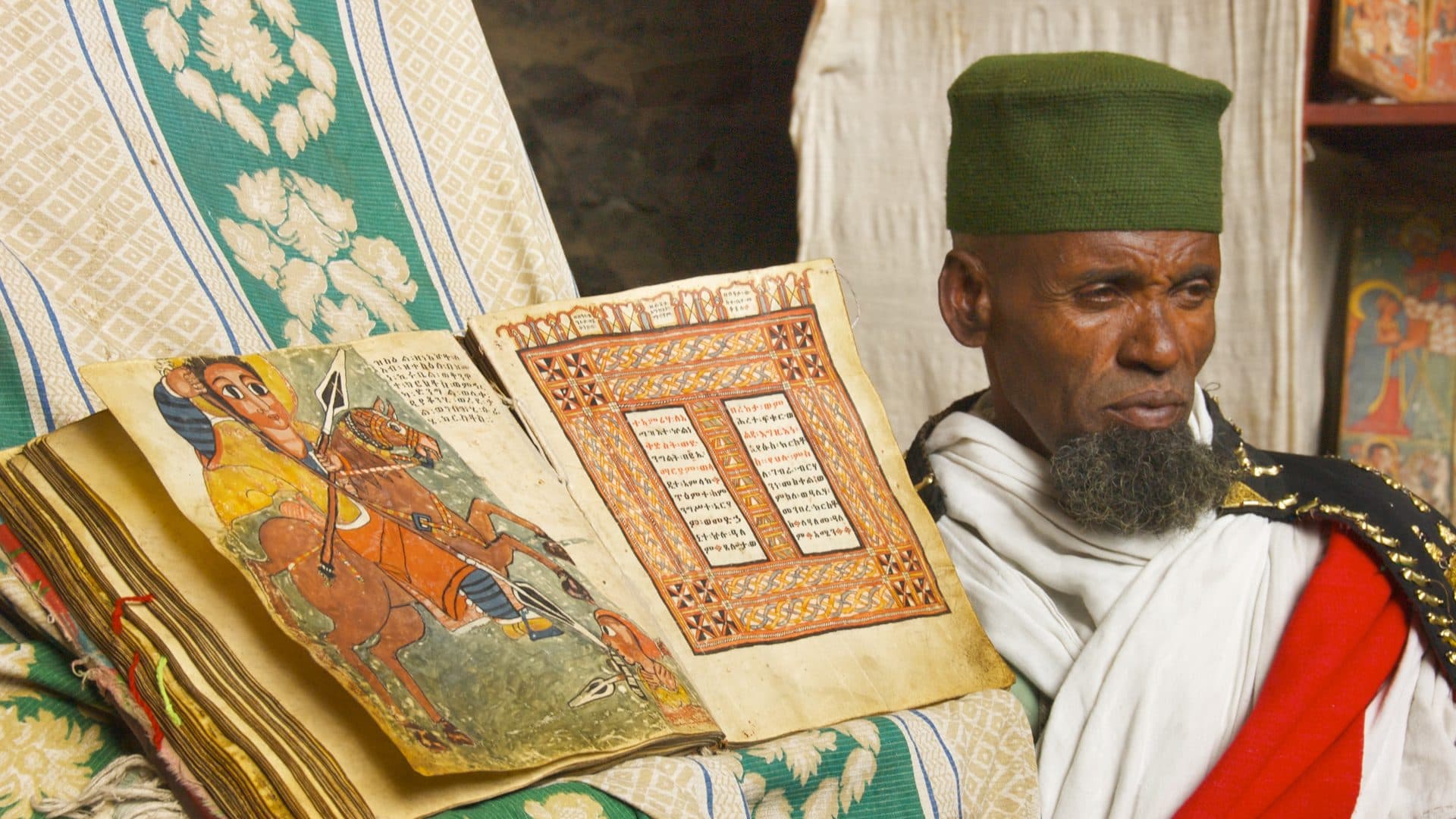
Few old texts provoke a reaction like the Book of Enoch. To some it is forbidden and dangerous, to others a lost treasure, to scholars a priceless window into the ancient mind. All of that heat comes from one strange fact: a book named for a man who "walked with God" and was taken up to heaven, quoted by the New Testament itself, somehow ended up outside almost every Bible. Untangling why is more interesting than either the fans or the critics usually admit.
What is actually in it
The most famous part reads like the backstory to Noah's flood. A group of angels called the Watchers look down at the daughters of men, desire them, and descend to earth. They take human wives, and their children are the Nephilim, a race of giants. The Watchers also teach humanity things it was not meant to know, weapons and sorcery and cosmetics, and the world fills with violence until heaven answers with judgment and, eventually, the Flood.[3] Woven through the rest are Enoch's guided tours of the heavens, visions of the last judgment, a map of the movements of the sun and stars, and history retold as prophecy.
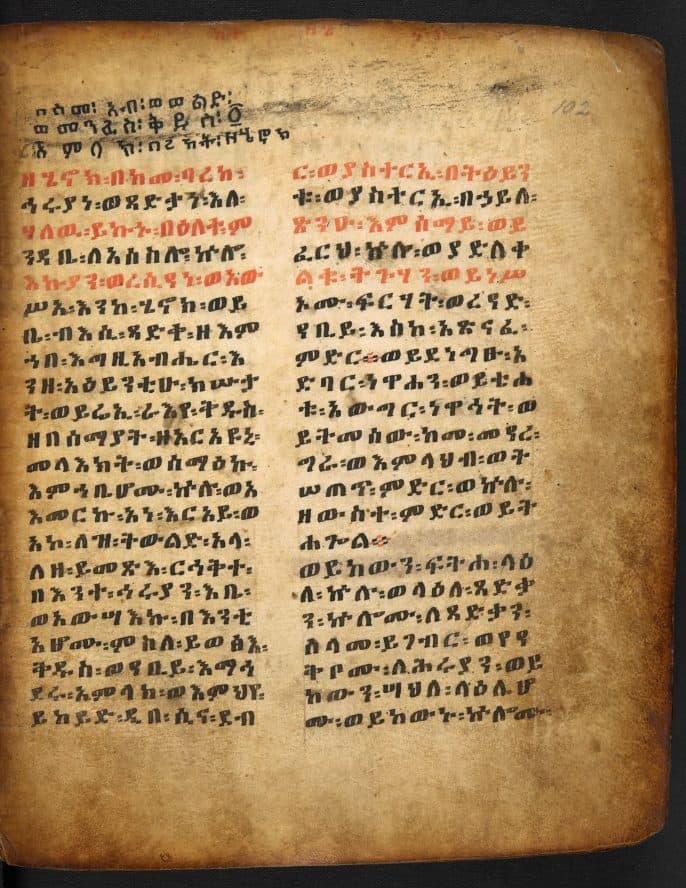
It is not one book but five, stitched together over time:
- The Book of the Watchers. The oldest and most famous part, from around the 3rd century BCE. The fall of the Watchers and the birth of the giants.
- The Book of Parables (Similitudes). Visions of judgment and a heavenly "Son of Man." The one section not found among the Dead Sea Scrolls, and the hardest to date.
- The Astronomical Book. The movements of the sun, moon, and stars, and a 364-day solar calendar.
- The Book of Dream Visions. History told as a dream, with Israel's story acted out by animals (the "Animal Apocalypse").
- The Epistle of Enoch. Enoch's final warnings and blessings to his children, and woes against the wicked.
Who really wrote it, and when
Here honesty matters, because it is where the fans and the critics both tend to overreach. Enoch did not write the Book of Enoch. Scholars read it as a compilation by several authors, composed between roughly 350 BCE and the turn of the era, mostly in Aramaic, who wrote under Enoch's revered name.[2]That was a normal and respectable practice in the ancient world, not a forgery in the modern sense, but it does mean the book comes from long after the figure it names. The oldest layer, the Book of the Watchers, goes back to about the 3rd century BCE.[2]
The proof in the desert

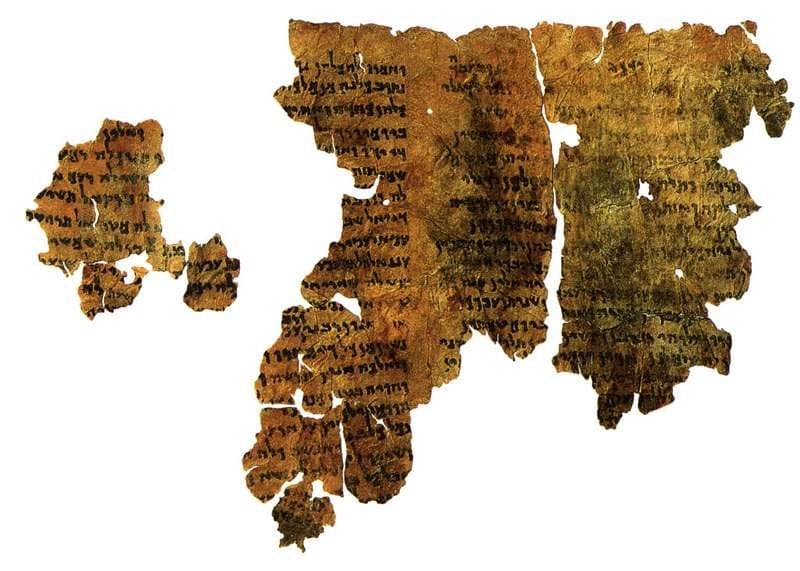
For a long time skeptics could dismiss Enoch as a medieval invention. The Dead Sea Scrolls ended that argument. In the caves at Qumran, archaeologists found fragments of eleven Aramaic manuscripts of the book, covering perhaps a fifth of the text we have today.[1] That places Enoch firmly in the centuries before Jesus. Curiously, the one section missing at Qumran is the Book of Parables, which is part of why scholars debate its date.[1]
The verse hiding in the New Testament
Now the twist that keeps the argument alive. Open the short letter of Jude, near the end of the New Testament, and you will find Enoch quoted by name:
Behold, the Lord comes with ten thousands of his saints.
That line is lifted straight from the Book of Enoch.[4] So a book in everyone's Bible quotes a book in almost no one's. Defenders read that as a stamp of approval. Critics answer that quoting a source is not the same as endorsing all of it, and point out that the apostle Paul quoted pagan Greek poets without making them Scripture.[3] Both points are fair, which is exactly why the debate never ends.
So why is it not in the Bible?
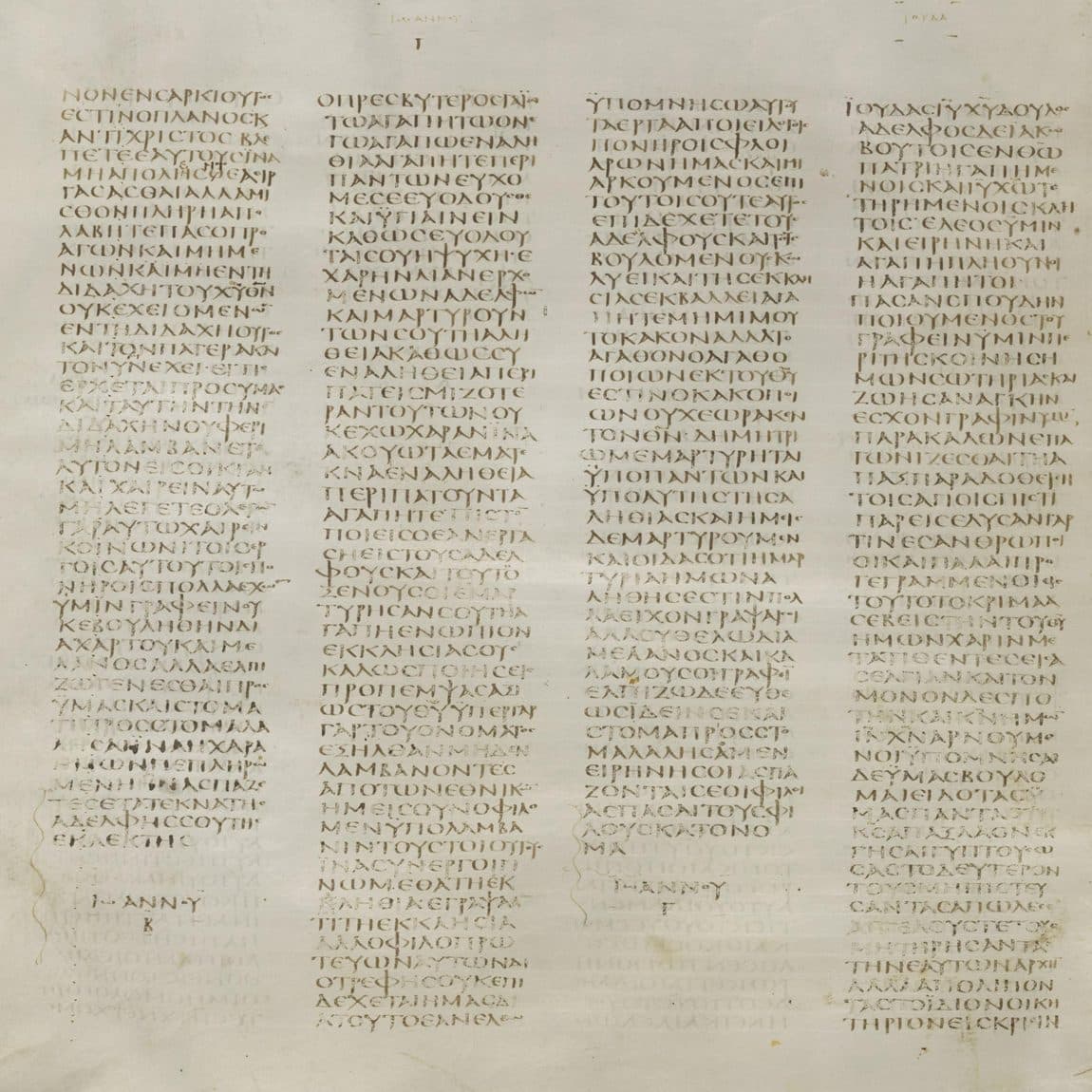
The short answer is that most Jewish and Christian authorities never accepted it in the first place. As the canon was being settled, Enoch was left out for a few reasons at once: it was not written by the prophet whose name it carries, it came centuries too late, and parts of it, above all the tale of angels fathering children, did not fit mainstream teaching.[3] It is worth clearing up a popular myth here: for most churches the book was never "removed" from the Bible, because it was never in it to begin with. It was excluded during the long process of deciding the canon, not torn out of an existing one.
Why some Christians warn against it
Search for the Book of Enoch today and you will find as many warnings as recommendations, so it is worth laying out both sides plainly. Those who caution against reading it say it is not canonical, was not written by Enoch, and drifts into ideas, detailed angelology and the Watchers story, that they believe go past or against Scripture.[3] Those who value it say it is a genuine and ancient witness to how Jews and early Christians understood angels, judgment, and the last days, and that the letter of Jude clearly took it seriously. This is a real disagreement among sincere believers, not a puzzle with one correct answer, and where you land usually depends on your tradition.
Why Ethiopia kept it
Through all of this, one church simply never let go. The Ethiopian and Eritrean Orthodox Tewahedo churches have always counted the Book of Enoch as full Scripture, and it survived in their language, Ge'ez, when it had vanished everywhere else.[5]
When European scholars wanted to read the complete book in the 1700s, they had to go to Ethiopia to find it.
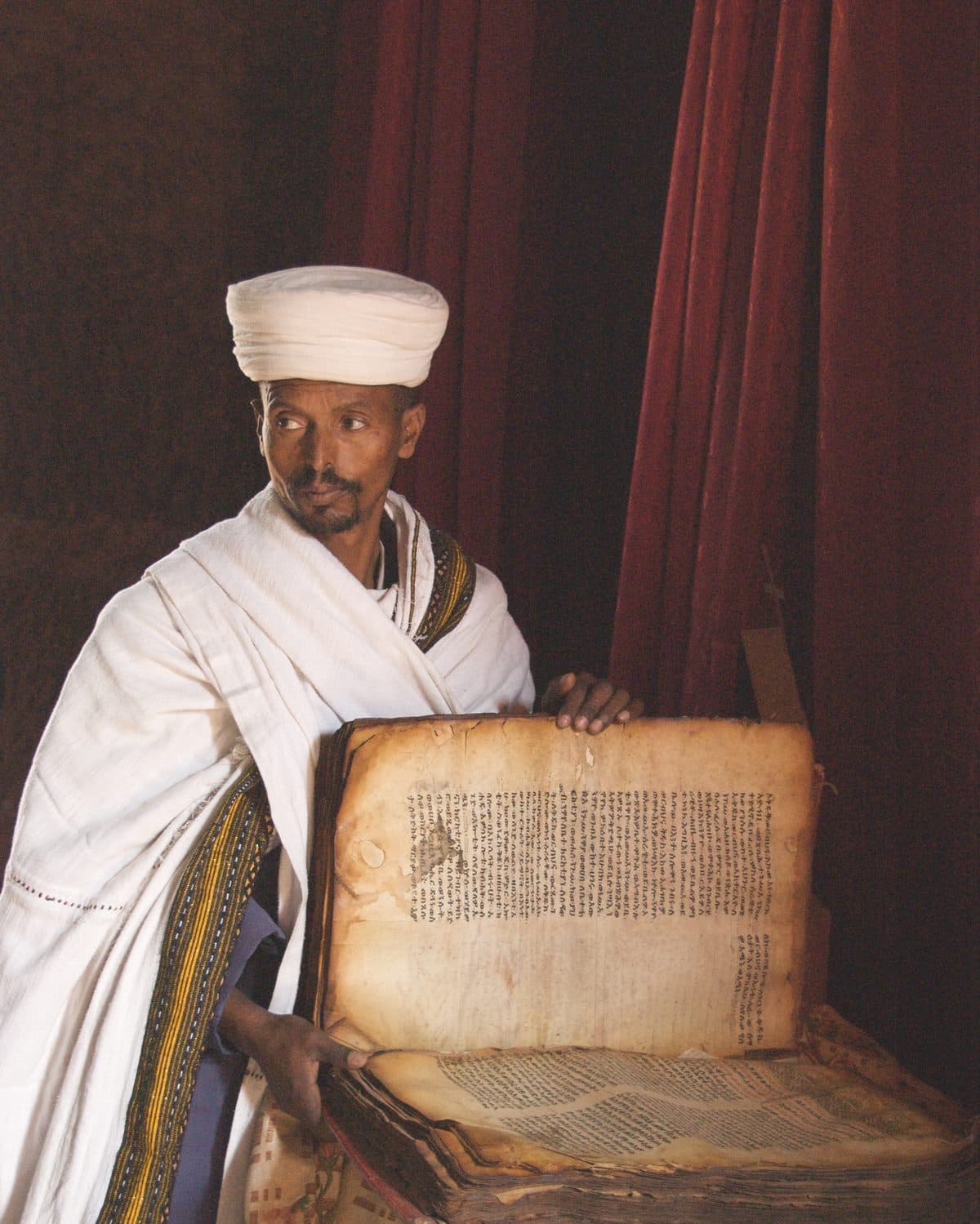
That story, and the wider tale of the largest Bible in Christianity, is its own remarkable thing. Read the Ethiopian Bible, explained: 81 books, the books other Bibles lost, and how Ethiopia kept them. Or meet the Ethiopian Orthodox Church, the tradition that kept Enoch alive.
Common questions
What is the Book of Enoch?
An ancient Jewish religious text attributed to Enoch, the great-grandfather of Noah. Its most famous part tells of the Watchers, angels who came down to earth, took human wives, and fathered a race of giants called the Nephilim, teaching humanity forbidden knowledge and bringing on the corruption that led to the Flood. It also records Enoch's journeys through the heavens. It is not part of most Bibles, but it was widely read in the ancient world.
Who wrote the Book of Enoch?
Not Enoch himself, according to scholars. The book is a compilation written by several different authors between roughly 350 BCE and the first century, mostly in Aramaic, who wrote under the revered name of Enoch, a common practice in that era. The oldest part, the Book of the Watchers, dates to about the 3rd century BCE.
When was the Book of Enoch written?
Its sections were composed over roughly three centuries, from about 350 BCE to around the turn of the era. That is why Aramaic fragments of it were found among the Dead Sea Scrolls, which confirms it existed well before the time of Jesus.
Why is the Book of Enoch not in the Bible?
Most Jewish and Christian authorities never accepted it as Scripture. When the biblical canon took shape, it was left out for several reasons: it was not written by the prophet it names, it appeared long after the events it describes, and parts of its teaching, especially the story of angels marrying humans, sat uneasily with mainstream doctrine. The one exception is the Ethiopian and Eritrean Orthodox tradition, which kept it.
Was the Book of Enoch removed from the Bible?
This is a common misunderstanding. For most traditions there was nothing to remove, because it was never included in the first place. It was excluded early, as the canon was being decided, rather than taken out of an established Bible. Only in the Ethiopian and Eritrean churches has it ever been canonical.
Why do some Christians say to avoid the Book of Enoch?
Those who caution against it point out that it is not part of their canon, that it was not written by Enoch, and that some of its content, such as the detailed story of the Watchers, goes beyond or seems to conflict with the Bible as they read it. Others value it as a window into how ancient Jews and early Christians thought, and note that the New Testament letter of Jude quotes it. Both views are widely held; this is a genuine disagreement, not a settled question.
Is the Book of Enoch quoted in the Bible?
Yes. The Epistle of Jude, in the New Testament, quotes the Book of Enoch directly (Jude 14 to 15, quoting 1 Enoch 1:9), naming Enoch and citing his prophecy. Many note, however, that quoting a book is not the same as treating the whole book as Scripture.
Is the Book of Enoch real?
As a text, absolutely. It is a genuine ancient work, older than the Dead Sea Scrolls that preserve pieces of it. Whether its contents are divinely inspired and true is a separate, faith question on which the churches disagree: canonical Scripture in Ethiopia, valuable but non-canonical to some, best avoided to others.
Sources
- [1]"Dead Sea Scrolls Spotlight: The Book of Enoch." Biblical Archaeology Society Library (the Qumran Aramaic fragments and dating). Link
- [2]"The Book of Enoch and the Qumran Scrolls." The Oxford Handbook of the Dead Sea Scrolls, Oxford University Press (composite authorship and sections). Link
- [3]"What Is the Book of Enoch and Why Isn't It in the Bible?" Bible Study Tools (the mainstream Christian reasoning). Link
- [4]The Epistle of Jude, verses 14 to 15, quotes 1 Enoch 1:9 (the New Testament itself). Link
- [5]"Orthodox Tewahedo biblical canon" (the Ethiopian and Eritrean churches alone keep 1 Enoch as Scripture). Link
Keep reading
All articles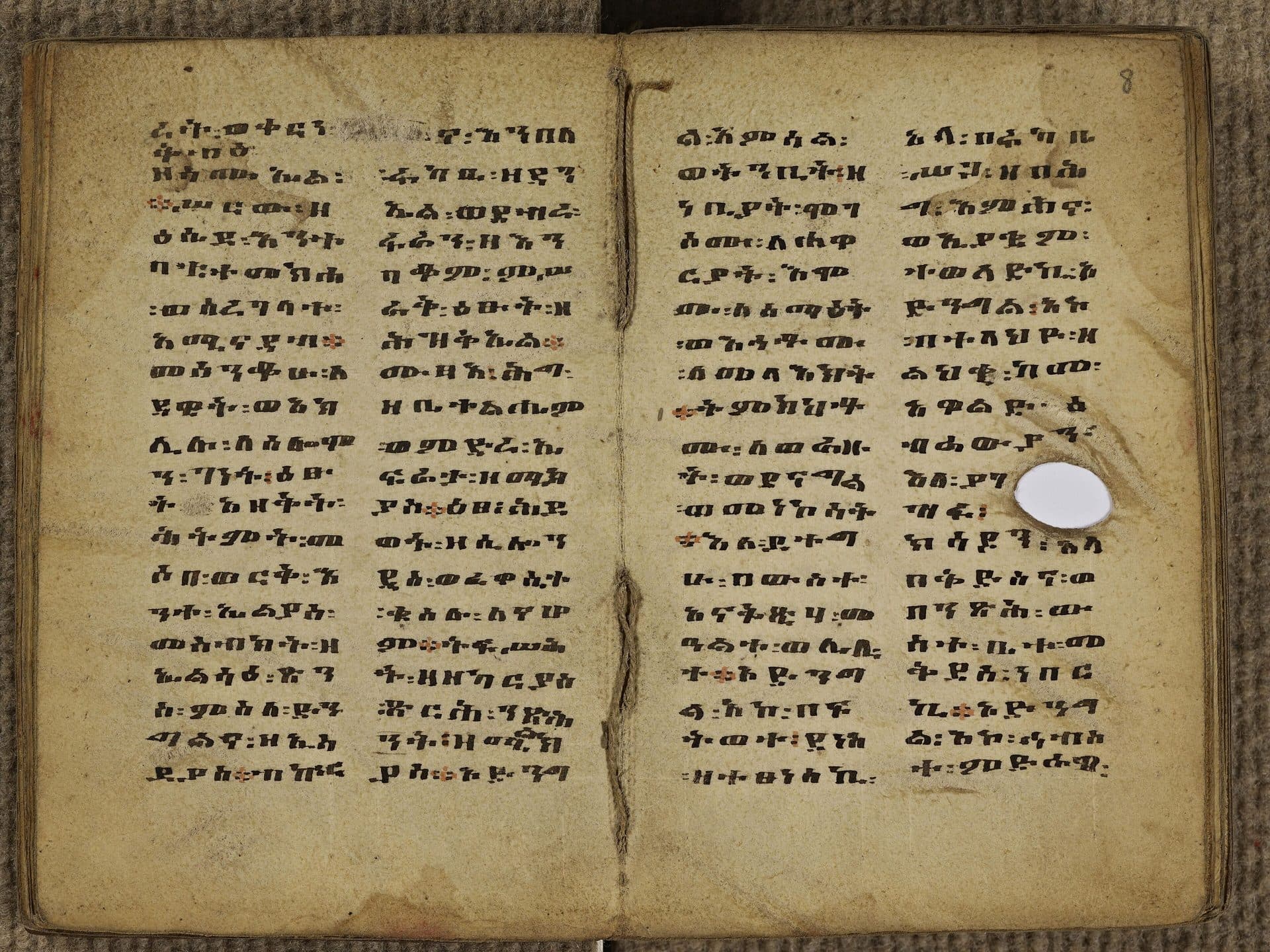
Culture & Faith
The Ethiopian Bible, explained
It has 81 books, not 66. It is written in a language almost no one speaks anymore. And it still holds Scripture that the rest of the world quietly lost more than a thousand years ago.
Culture & Faith
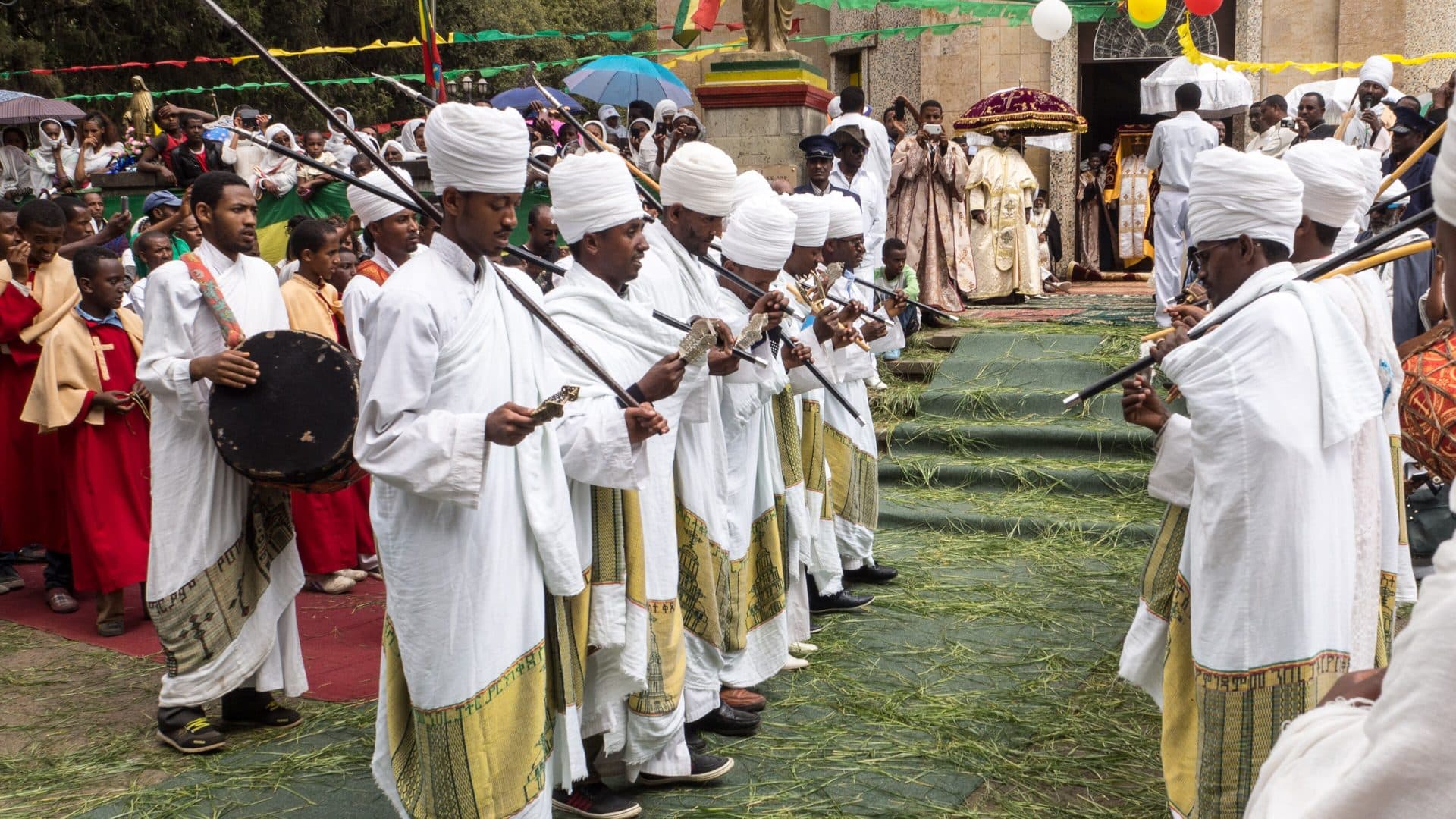
The Ethiopian Orthodox Tewahedo Church, explained
One of the world's oldest churches: what Tewahedo means, its 180 fasting days, the tabot and the Ark, Timkat, and the chant of Yared.

Culture & Faith
Tsom: Ethiopian fasting, and where to eat it in the DMV
No meat, no dairy, no eggs, for around 180 days a year. What the Ethiopian and Eritrean Orthodox fast means, whether today is a fasting day, and the DMV kitchens that cook for it.
The TiruList directory
Everything Habesha in the DMV, in one place.
Restaurants, churches, markets, services, and events, vouched for by the community.