
Ethiopian and Eritrean holidays
A guide to the major Ethiopian and Eritrean holidays, including Enkutatash (New Year), Meskel, Genna (Christmas), Timket, and Fasika (Easter), and why the Ethiopian calendar runs years behind.
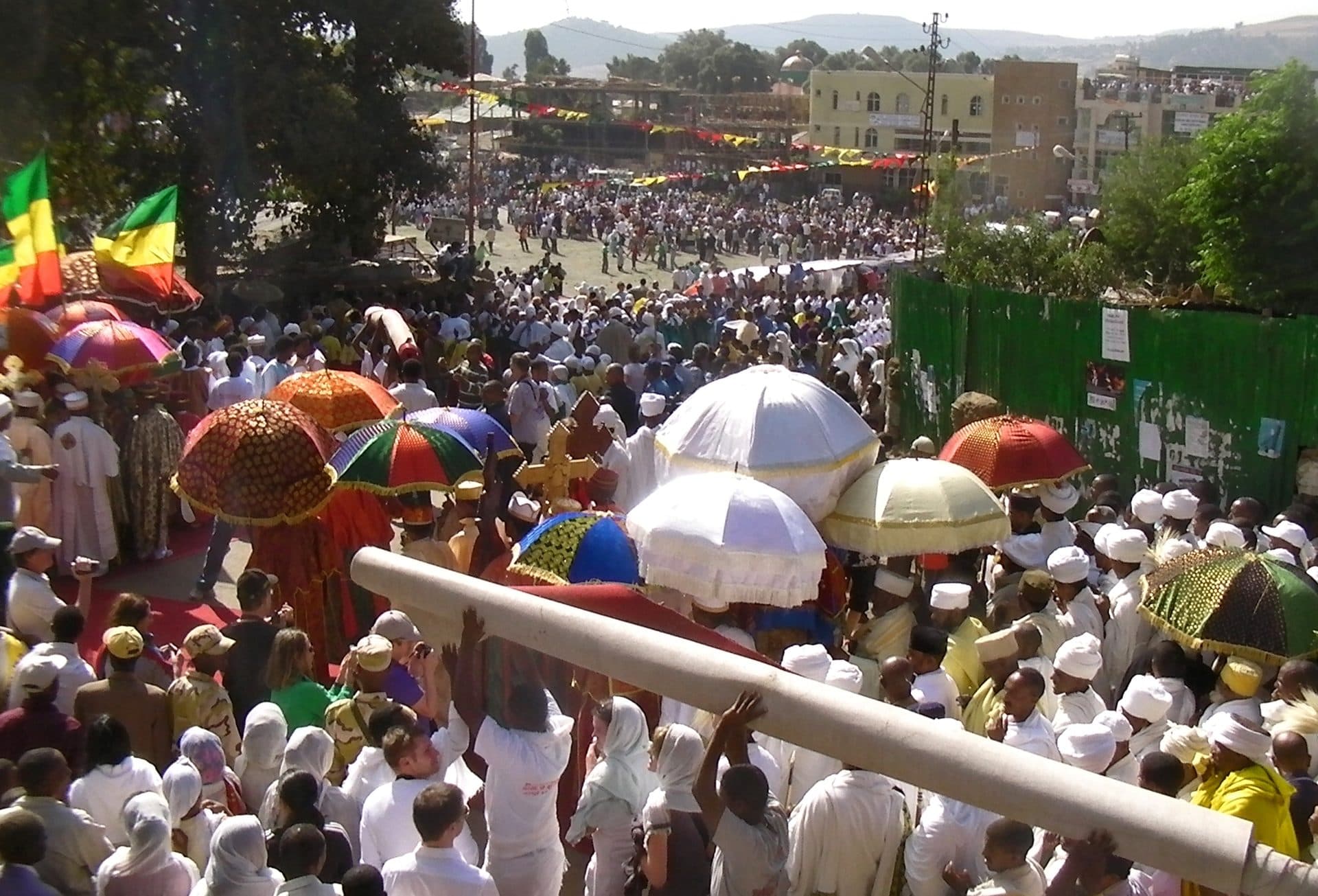
The Ethiopian calendar is its own system: it runs about seven to eight years behind the Gregorian calendar and has thirteen months, so holidays fall on dates that surprise newcomers.
Here are the celebrations the community keeps, when they land, and what they mean. For the exact dates each year, see the calendar tool.
The Ethiopian calendar
The Ethiopian calendar has twelve months of thirty days plus a short thirteenth month, and it is roughly seven to eight years behind the Gregorian one. That is why the year number and holiday dates differ from the Western calendar.
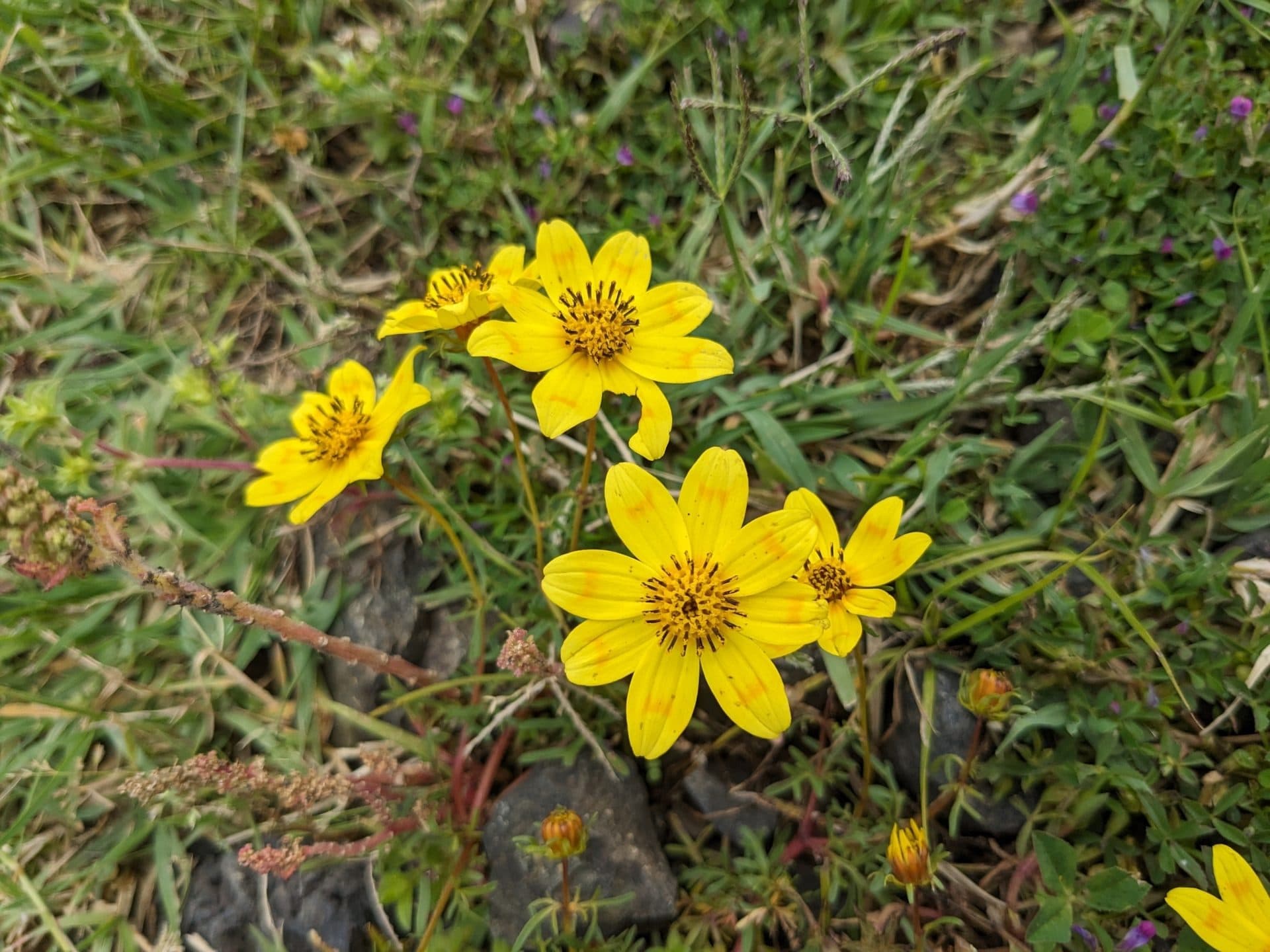
Enkutatash: Ethiopian New Year
Enkutatash falls in mid-September, when the rains end and the meskel daisies bloom. It is a bright, hopeful holiday of new clothes, family visits, and a full table.
Timket, the celebration of Christ's baptism, is the most colorful festival of the year, with processions behind the tabot.
Meskel
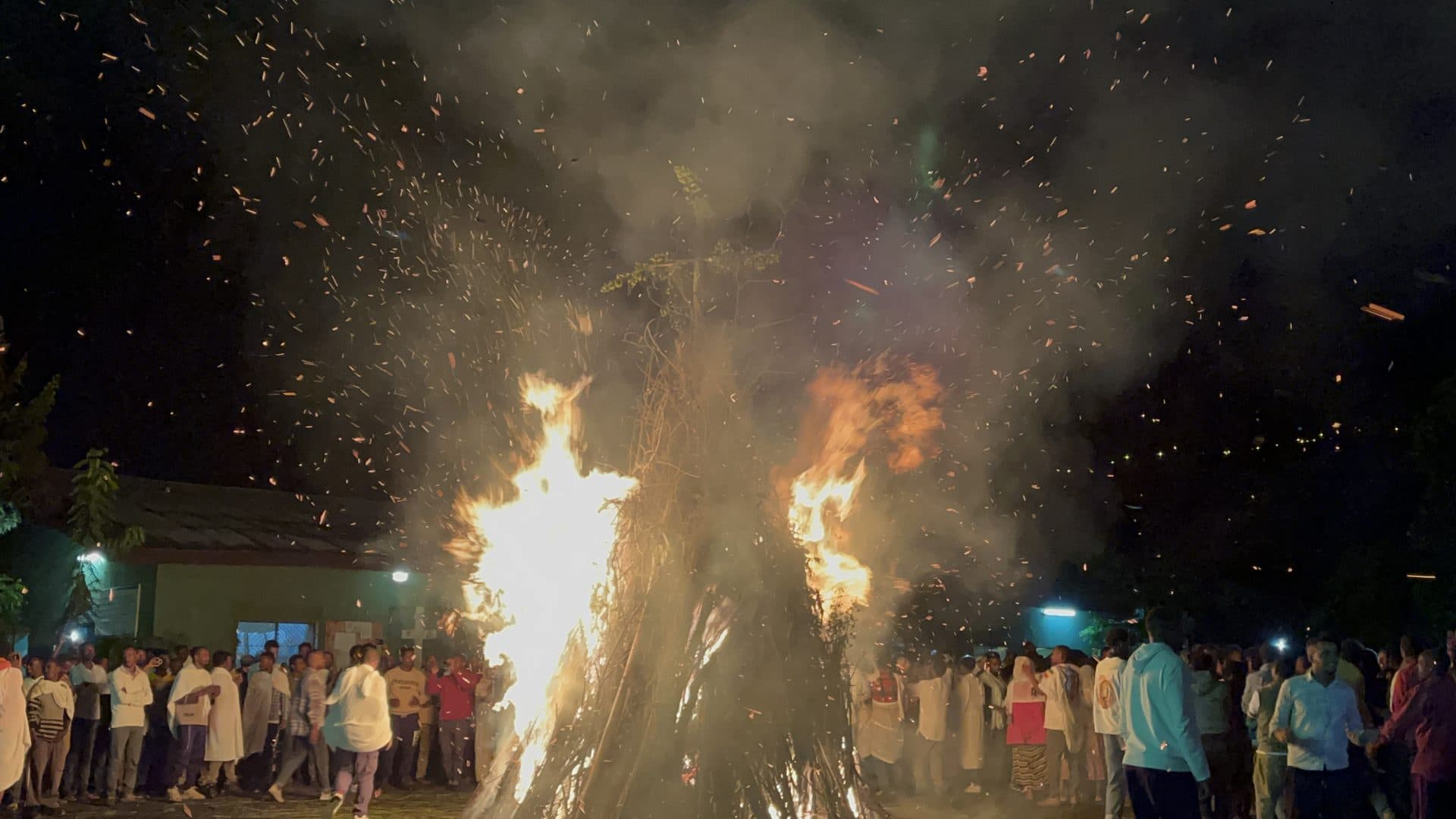
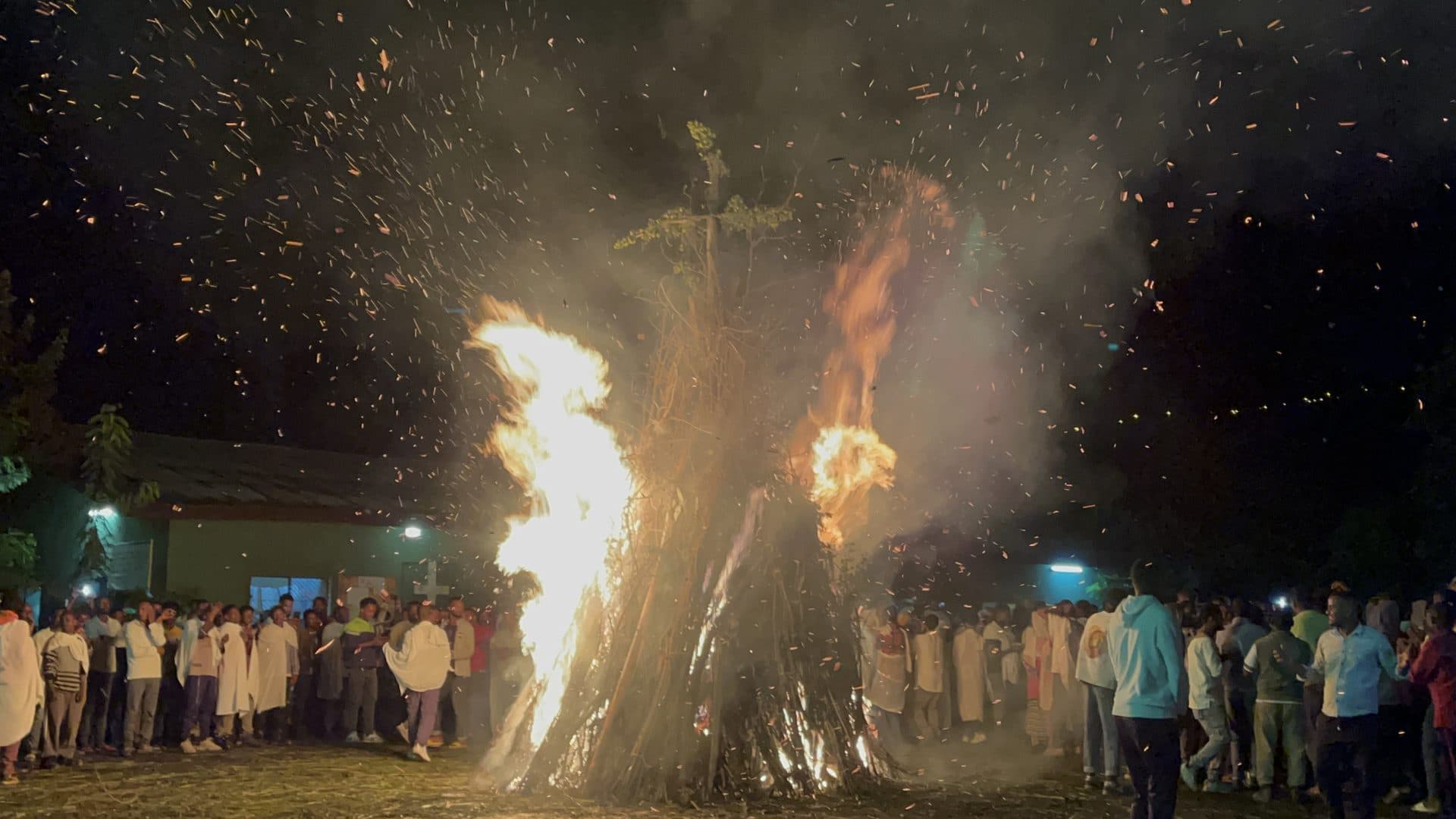
Meskel marks the finding of the True Cross and is celebrated around the Demera, a large bonfire. The festival is recognized by UNESCO as intangible cultural heritage.
Genna and Timket
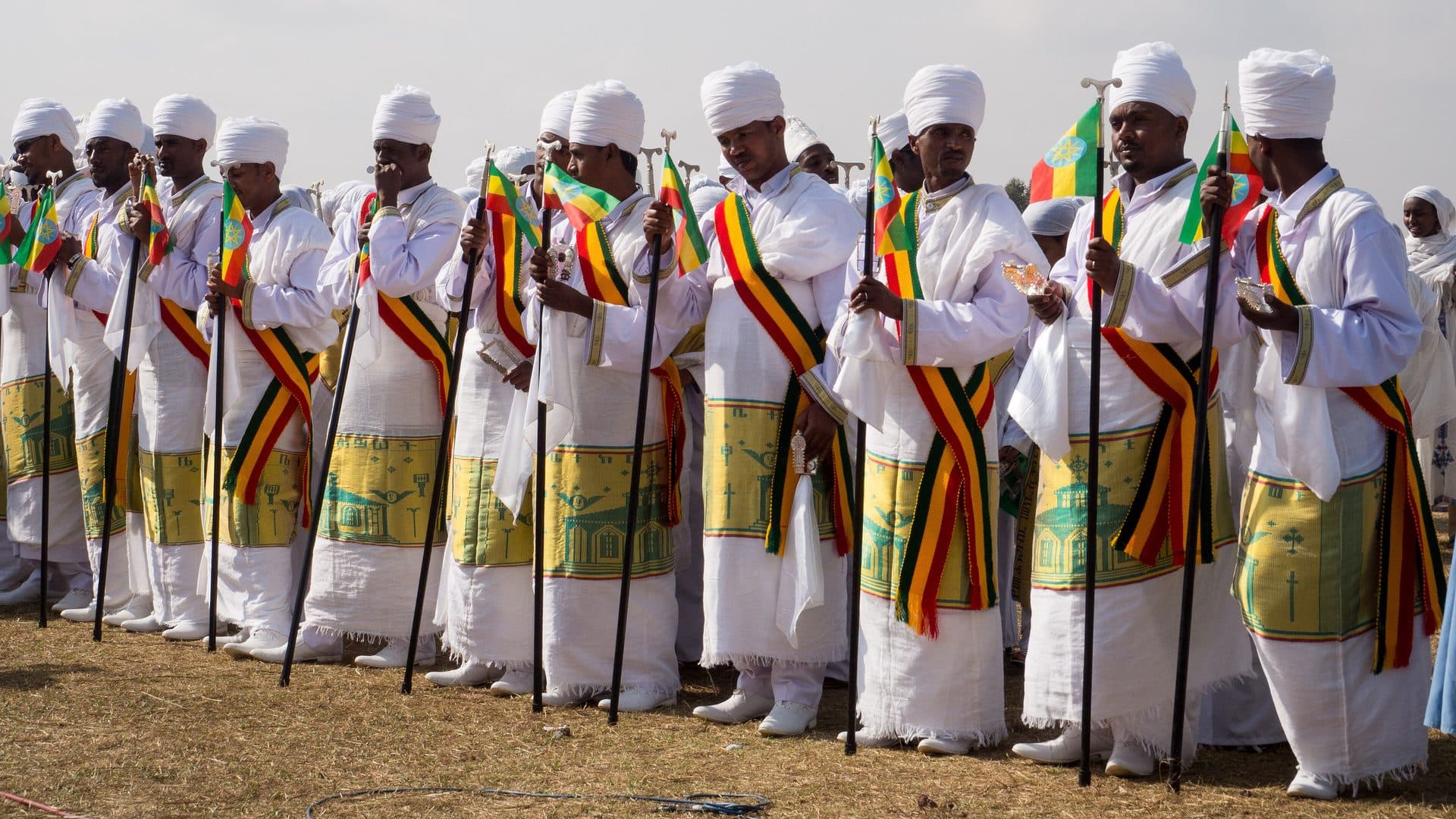
Genna is Ethiopian Christmas, kept with overnight church services and a family meal after a long fast. Timket, the celebration of Christ's baptism, is the most colorful festival of the year, with processions behind the tabot.
Fasika and Eritrean celebrations
Fasika is Orthodox Easter, the end of the long Lenten fast, marked with a feast. Eritrean communities also mark Independence Day and their own religious calendar, and the DMV holds gatherings for all of these.
Frequently asked
Why is the Ethiopian calendar 7 years behind?
It follows a different calculation of the date of the Annunciation than the Gregorian calendar, which puts it roughly seven to eight years behind, with thirteen months in a year.
When is Ethiopian New Year?
Enkutatash falls on September 11 most years, and September 12 in the year before a Gregorian leap year.
What is the biggest Ethiopian holiday?
It depends on the family, but Timket, Fasika, and Genna are the major religious celebrations, and Enkutatash and Meskel are widely celebrated too.
More in this guide: holidays & culture
Or browse every TiruList guide.
Keep reading
All articles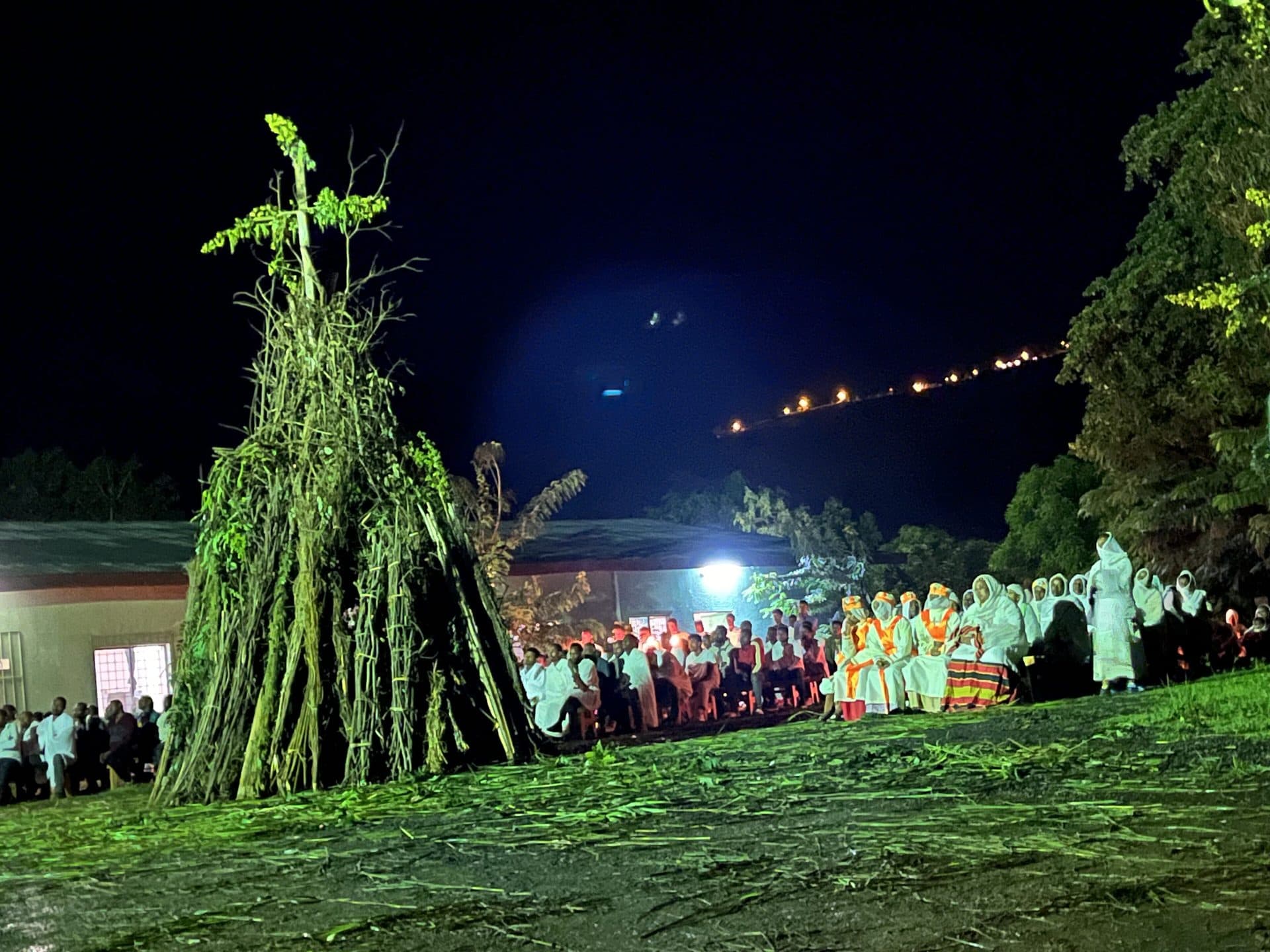
Culture & Faith
Meskel and the Demera
Meskel celebrates the finding of the True Cross, marked by the Demera bonfire. Here is when it falls and what it means, a UNESCO-recognized festival.
Culture & Faith
Timket, the Ethiopian Epiphany
Timket is the colorful Ethiopian celebration of Christ's baptism, with processions behind the tabot. Here is when it falls and what happens.
Culture & Faith
The Ethiopian calendar, explained
Thirteen months, a new year in September, and a count of years that sits seven behind the rest of the world. It is simpler than it looks once you see why.
The TiruList directory
Everything Habesha in the DMV, in one place.
Restaurants, churches, markets, services, and events, vouched for by the community.