
How to send money to Ethiopia from the US safely (2026 guide)
A plain guide to sending money to Ethiopia from the US: use a service licensed by the National Bank of Ethiopia, understand cash pickup vs bank and mobile money, know what affects the cost, and avoid unlicensed transfers.
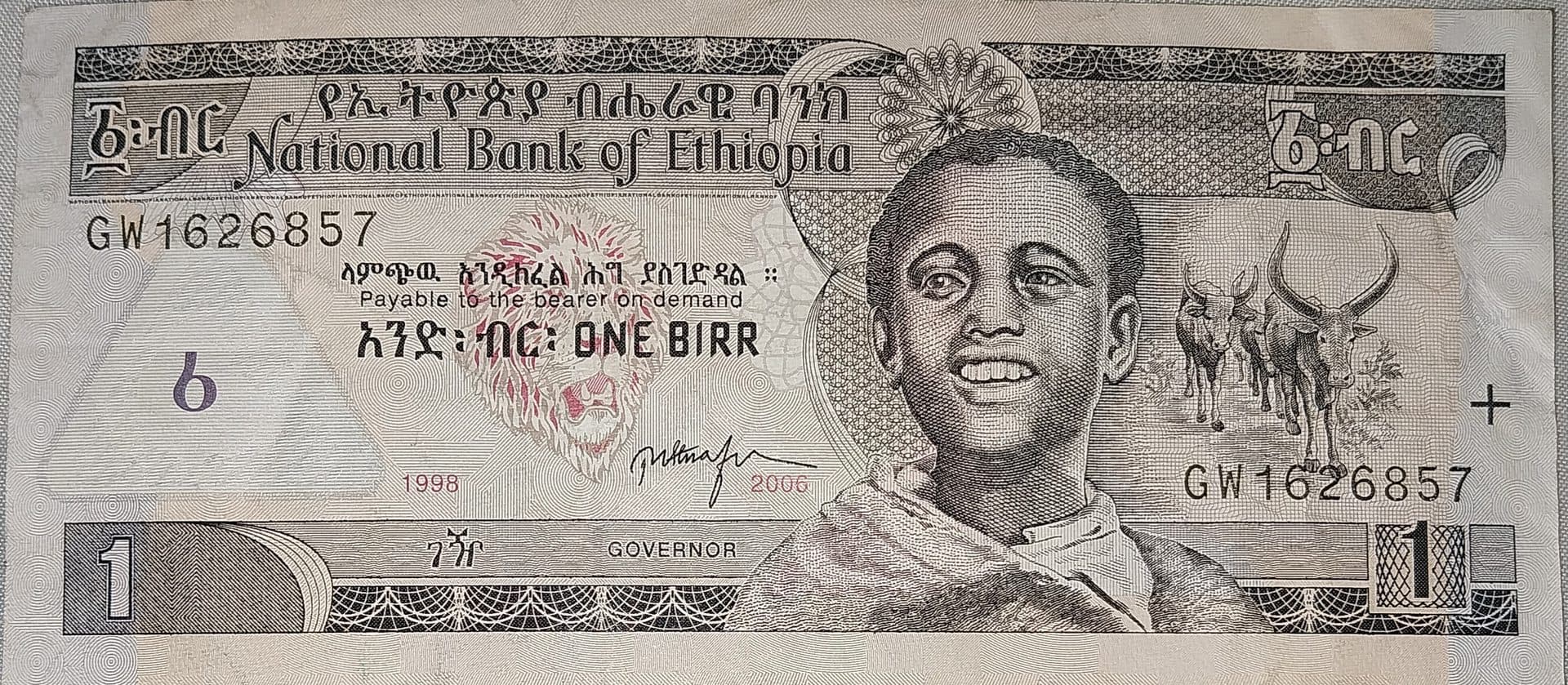
Sending money home is one of the most common reasons people in the diaspora search for help, and it is also where the most costly mistakes happen. The single most important rule is simple: send only through a service licensed by the National Bank of Ethiopia (NBE).
This guide walks through how transfers actually reach your family, what drives the cost, how to choose a service, and how to avoid the unlicensed offers that put your money at risk. When you are ready to send, you can check any service against the official licensed list on TiruList first.
Use a service licensed by the National Bank of Ethiopia
In Ethiopia, money transfers are regulated by the National Bank of Ethiopia. Sending through an unlicensed operator, including informal hawala arrangements or a person who offers a rate that looks too good to be true, is illegal on the Ethiopian side and leaves you with no protection if the money is lost, delayed, or never delivered.
A licensed service is accountable to a regulator, keeps records, and gives you a receipt and a way to trace the transfer. Before you send with any provider, confirm it appears on the NBE list. TiruList keeps a directory of licensed remittance providers so you can check quickly.
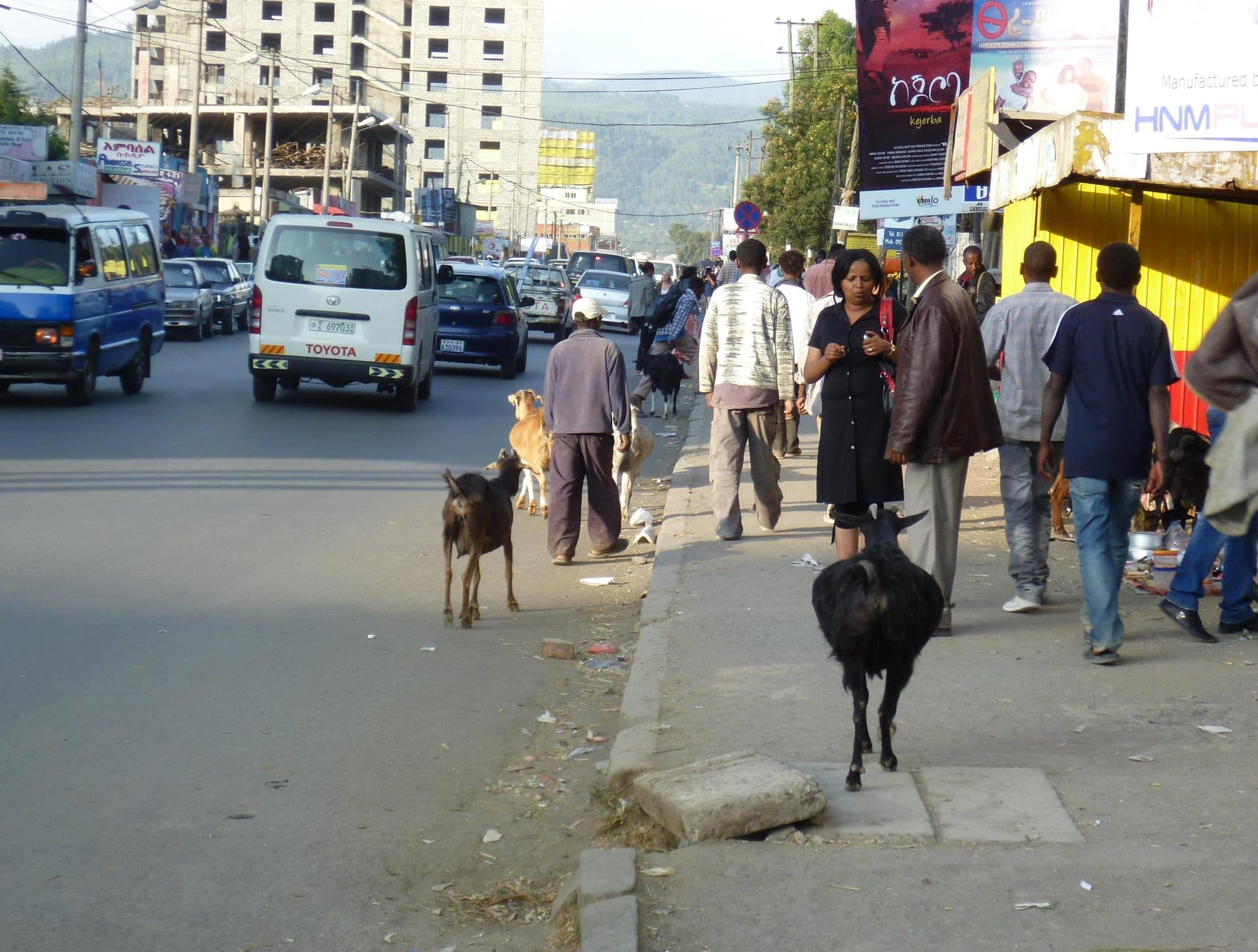
How the money reaches your family
Most licensed services deliver in one of three ways. Bank deposit sends the funds straight into a recipient's account at an Ethiopian bank, which is convenient if they already bank there. Cash pickup lets the recipient collect birr at a branch or agent location with an ID and a reference number, useful when they do not have an account. Mobile money delivers to a wallet such as telebirr, which the recipient can use from a phone.
Pick the method your recipient can actually use. A fast transfer is no help if it lands in an account they cannot reach or a pickup point far from where they live.
The right answer is often not the cheapest headline fee, but the licensed service that gets the most birr to your family in a way that suits them, with a record you can trust.
What affects the cost
The true cost of a transfer is two things added together: the fee the service charges, and the exchange rate it gives you. A provider can advertise a low fee but quietly widen the gap between the official rate and the rate you receive, so compare the total amount your recipient will get in birr, not just the fee.
Exchange rates move, and the official NBE rate can differ from rates offered elsewhere. We do not publish live rates here because they change constantly. Always check the current rate and the final delivered amount at the moment you send.

How to choose a service
Work through a short checklist. Is the provider licensed by the NBE? Does it deliver in a way your recipient can use (bank, cash, or mobile)? How long will the transfer take? What is the total cost once the fee and the exchange rate are combined? What are the sending limits and the identity documents you will need? Is there support you can reach if something goes wrong?
The right answer is often not the cheapest headline fee, but the licensed service that gets the most birr to your family in a way that suits them, with a record you can trust.
Avoid unlicensed transfers and scams
Be cautious of anyone offering a rate far better than every licensed service, asking you to pay a stranger who will 'arrange it', or pressuring you to move fast. These are the patterns behind most remittance losses.
Send only to recipient details you have confirmed directly with your family, keep every receipt and reference number, and never share a pickup code with anyone other than the recipient.
Licensed services with a location in the DMV
These services appear on the National Bank of Ethiopia's licensed list and have a storefront or office in the DC area. Confirm the details with the service before you send. See every service we checked, and how, on the licensed money transfer list, or browse the send money home directory.
- Dahabshiil5983 Columbia Pike Ste 100, Falls Church, VA 22041
- FastPay8701 Georgia Ave Suite 606, Silver Spring, MD 20910
- Selam Express8205 Fenton St, Silver Spring, MD 20910
- Remitly
- Ria Money Transfer
- Western Union
Frequently asked
How do I send money to Ethiopia safely from the US?
Use a service licensed by the National Bank of Ethiopia. Confirm the provider is licensed before you send, choose a delivery method your recipient can use, compare the total cost including the exchange rate, and keep your receipt and reference number.
Is it illegal to use an unlicensed money transfer to Ethiopia?
Sending through an unlicensed operator or informal hawala is not permitted under Ethiopian regulation, and it leaves you with no recourse if the money is lost. Always use an NBE-licensed service.
What is the cheapest way to send money to Ethiopia?
There is no single answer because fees and exchange rates change. Compare the total birr your recipient receives, not just the advertised fee, across licensed providers, and check at the moment you send.
How long does a transfer to Ethiopia take?
It depends on the service and the delivery method. Mobile money and cash pickup are often quick, while bank deposits can take longer. The provider should tell you the expected time before you confirm.
Can I send money to a phone in Ethiopia?
Yes. Several licensed services deliver to mobile money wallets such as telebirr, which the recipient can use from a phone without a bank account.
More in this guide: sending money home
- Is my money transfer service licensed in Ethiopia?
- Ways to send money to Ethiopia
- How to choose the best way to send money to Ethiopia
- Sending money to a telebirr wallet in Ethiopia
Or browse every TiruList guide.
Sources
- [1]National Bank of Ethiopia (licensed financial institutions) Link
Keep reading
All articles
Diaspora Life
Is my money transfer service licensed in Ethiopia?
How to check whether a money transfer service is licensed by the National Bank of Ethiopia before you send, and why sending through an unlicensed operator puts your money at risk.
Diaspora Life
Ways to send money to Ethiopia
Compare the main ways licensed services deliver money in Ethiopia: bank deposit, cash pickup, and mobile money like telebirr, so you can pick what your recipient can actually use.
Diaspora Life
Is your money transfer service licensed?
The National Bank of Ethiopia licenses every company allowed to move money into Ethiopia. Search the official list before you send, and see the licensed services people in the DMV actually use.
The TiruList directory
Everything Habesha in the DMV, in one place.
Restaurants, churches, markets, services, and events, vouched for by the community.