
Ethiopian New Year, Enkutatash
Enkutatash is the Ethiopian New Year, celebrated in mid-September when the rains end. Here is when it falls and how families mark it.
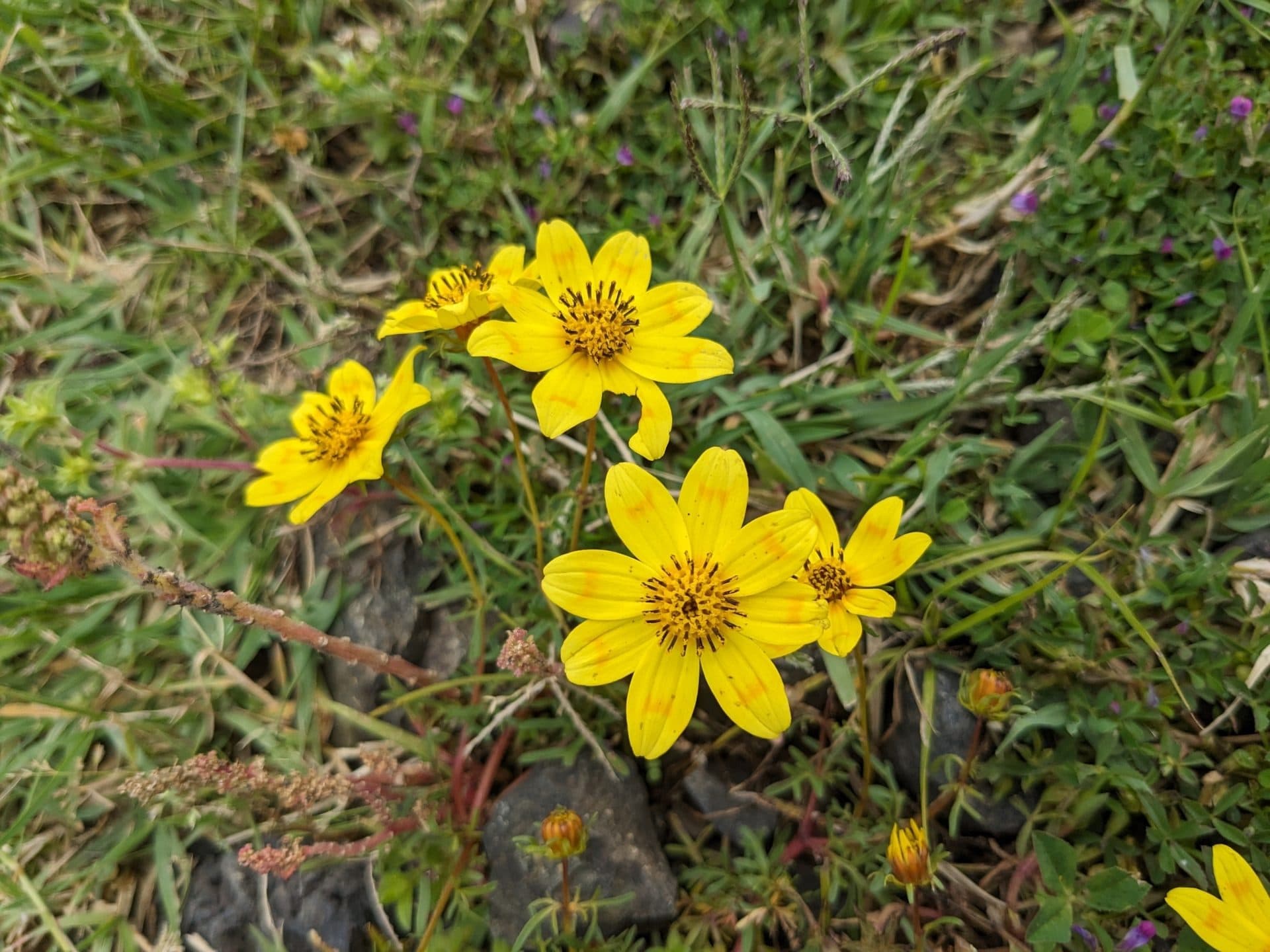
Enkutatash marks the Ethiopian New Year, at the end of the rainy season when the golden meskel daisies bloom across the highlands.
When it is
Enkutatash falls on September 11 in most years, and September 12 in the year before a Gregorian leap year. It opens the Ethiopian calendar year.
How it is celebrated
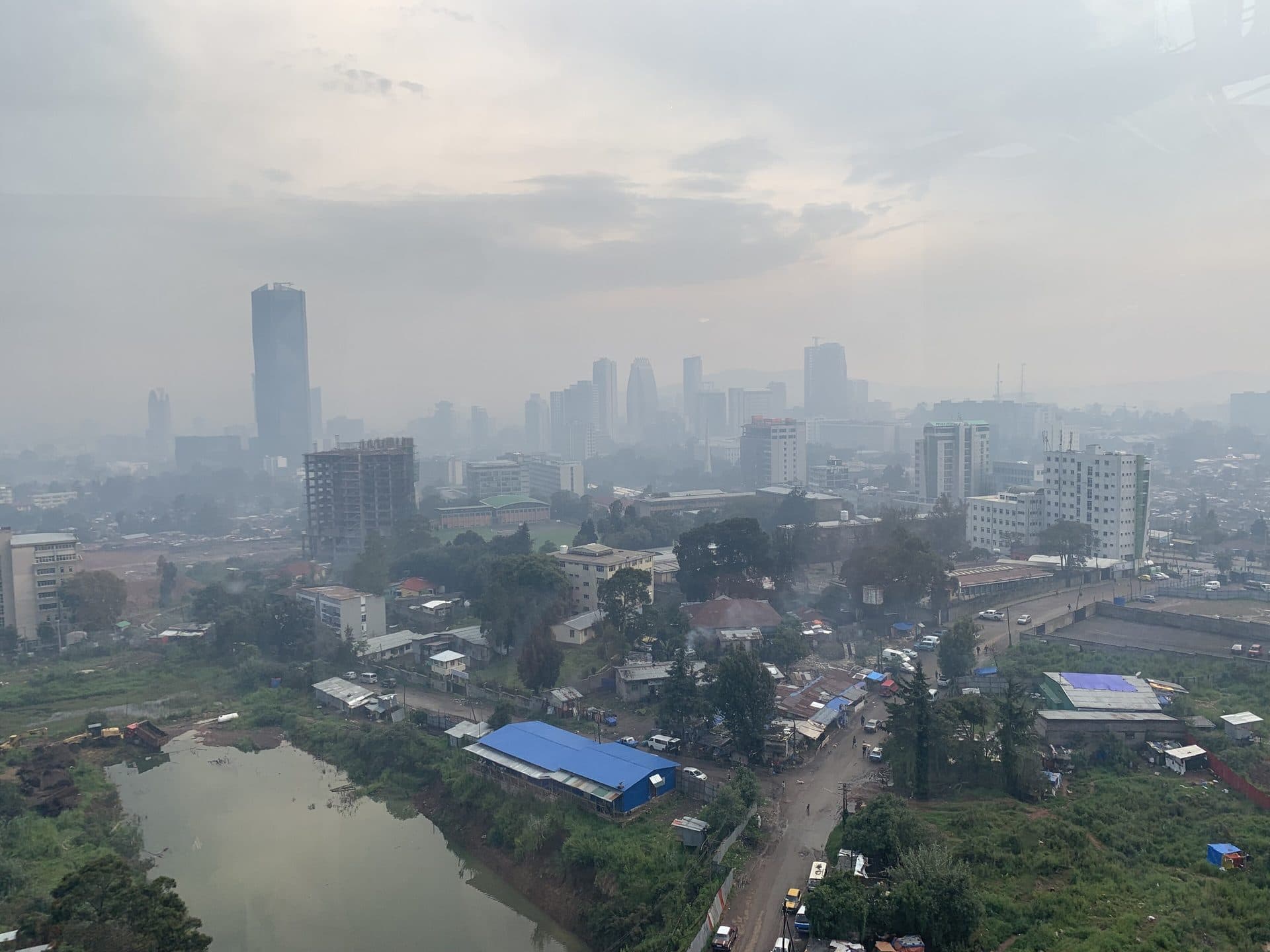
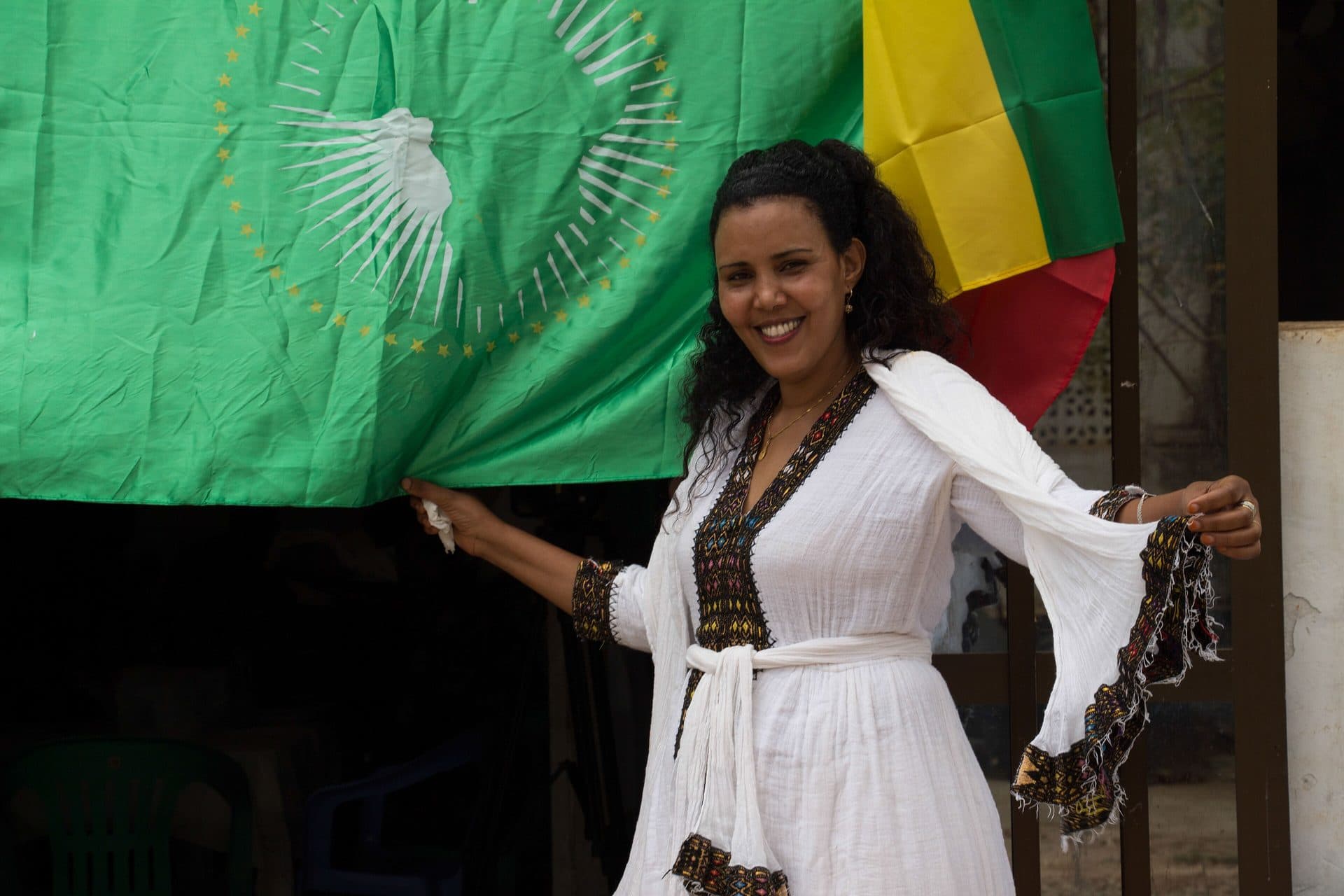
Families clean and prepare the home, wear new clothes, and gather for a big meal. Children sing and give small bouquets of daisies, and in the DMV there are New Year celebrations, concerts, and church services.
Children sing and give small bouquets of daisies.
Frequently asked
When is Ethiopian New Year 2026?
Enkutatash falls on September 11, 2026. Check the events page for DMV celebrations around that date.
What does Enkutatash mean?
It is associated with the return of the Queen of Sheba and the gift of jewels, and it coincides with the blooming of the meskel daisies at the end of the rains.
More in this guide: holidays & culture
Or browse every TiruList guide.
Keep reading
All articles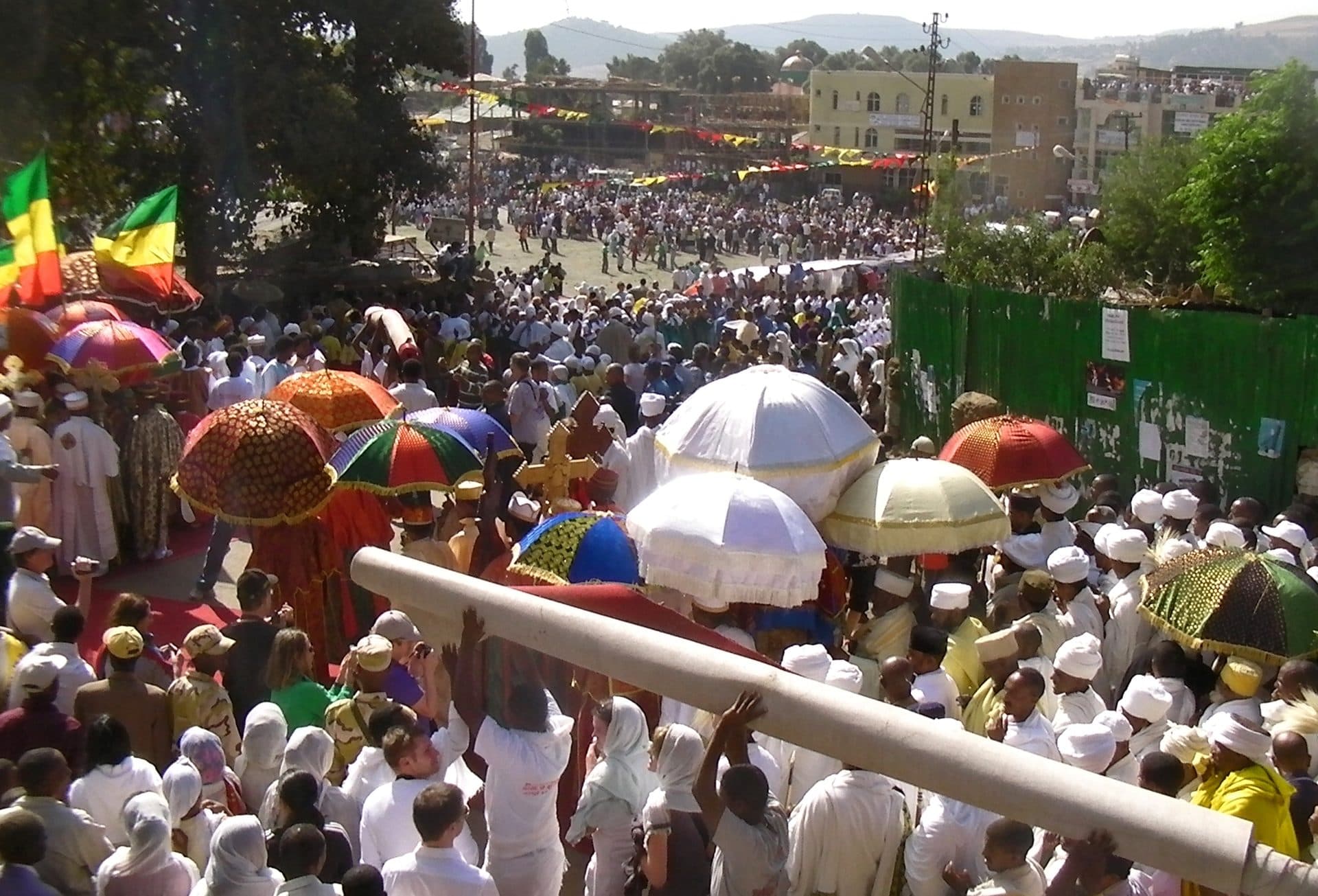
Culture & Faith
Ethiopian and Eritrean holidays
A guide to the major Ethiopian and Eritrean holidays, including Enkutatash (New Year), Meskel, Genna (Christmas), Timket, and Fasika (Easter), and why the Ethiopian calendar runs years behind.
Culture & Faith
Meskel and the Demera
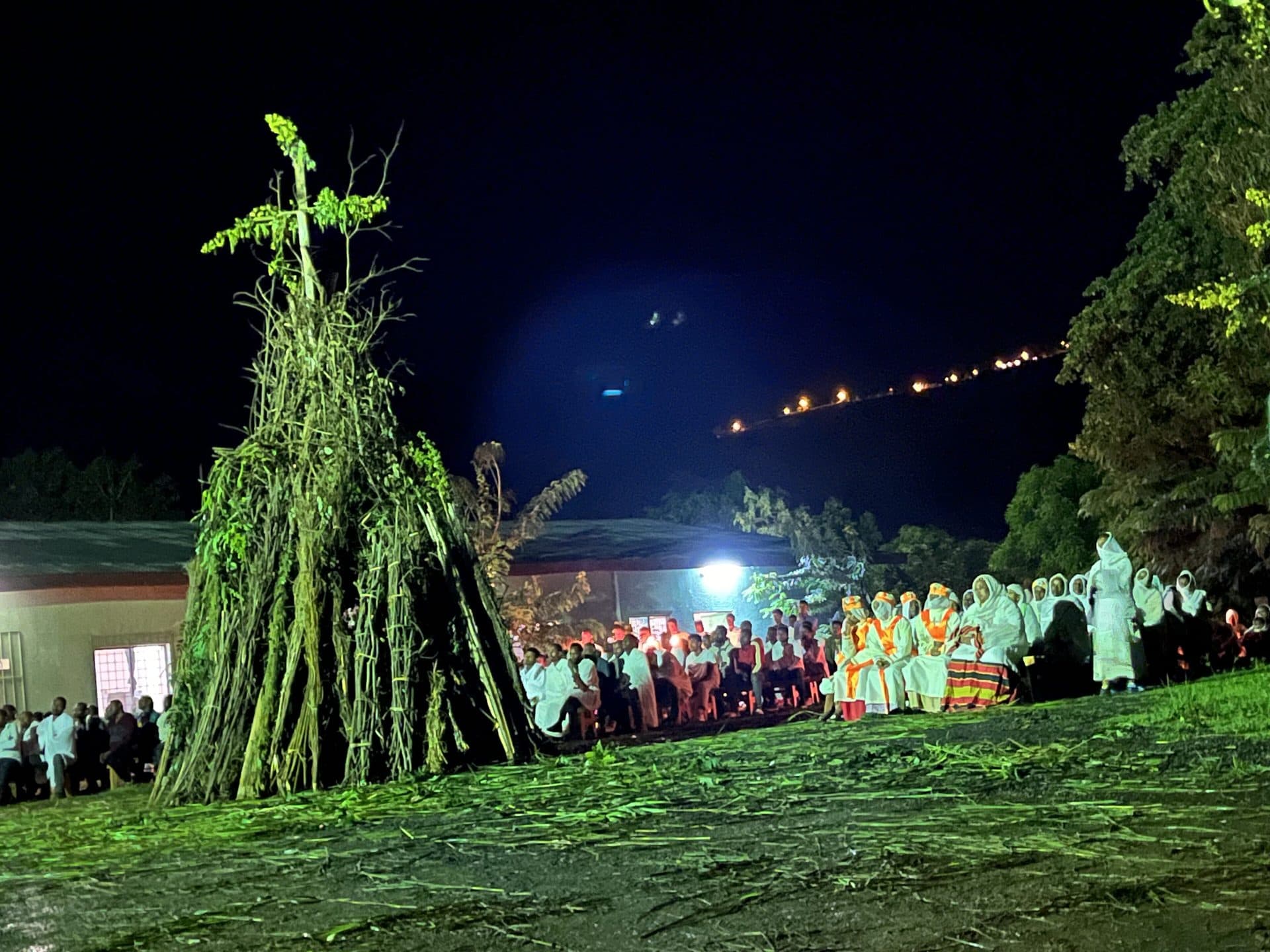
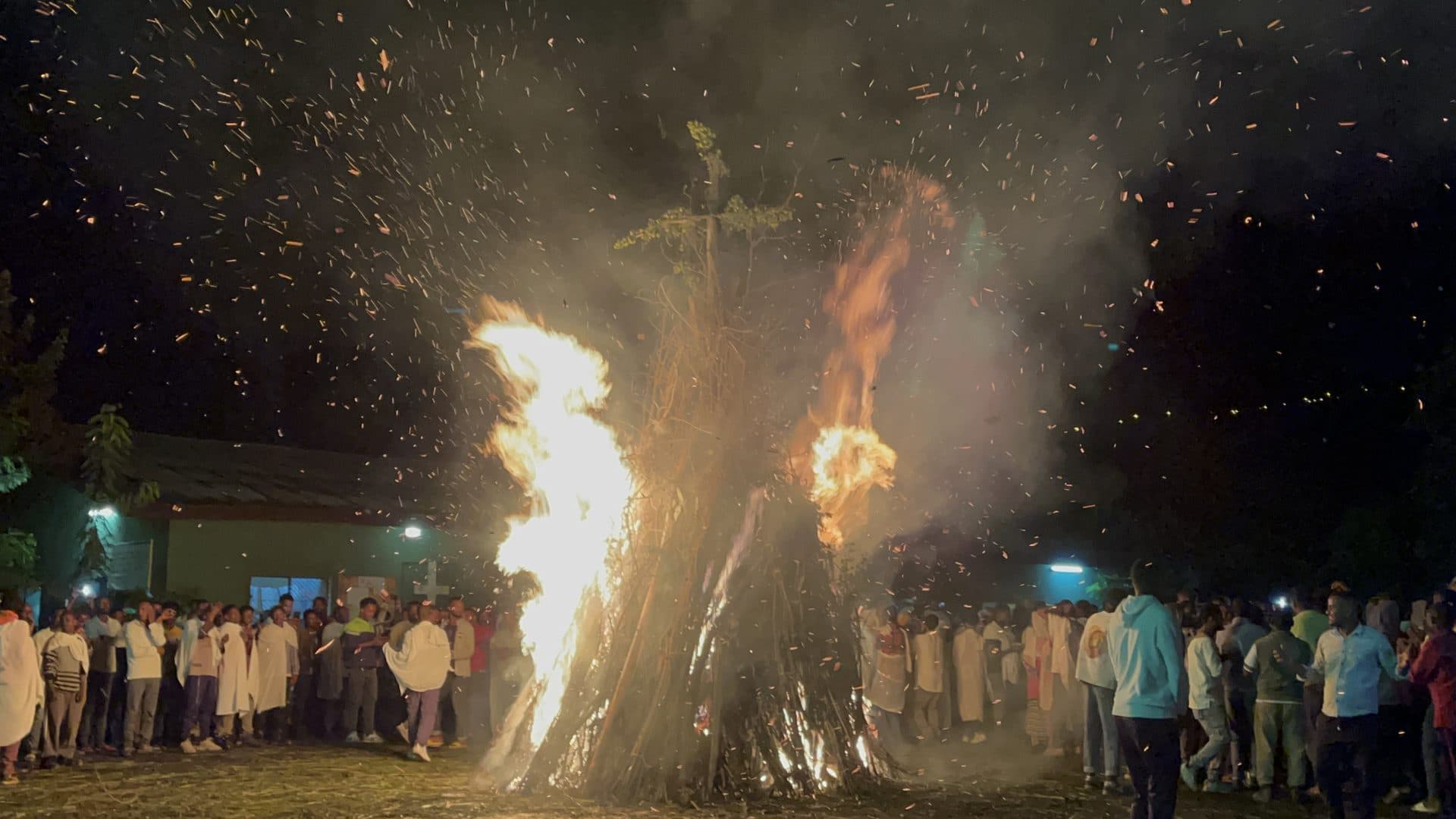
Meskel celebrates the finding of the True Cross, marked by the Demera bonfire. Here is when it falls and what it means, a UNESCO-recognized festival.
Culture & Faith
The Ethiopian calendar, explained
Thirteen months, a new year in September, and a count of years that sits seven behind the rest of the world. It is simpler than it looks once you see why.
The TiruList directory
Everything Habesha in the DMV, in one place.
Restaurants, churches, markets, services, and events, vouched for by the community.