
Idir, the community that shows up
When a family faces a death or a hardship, the idir pays out and shows up, so no one grieves or carries the cost alone. What it is, where it comes from, and a free tool to keep the book.
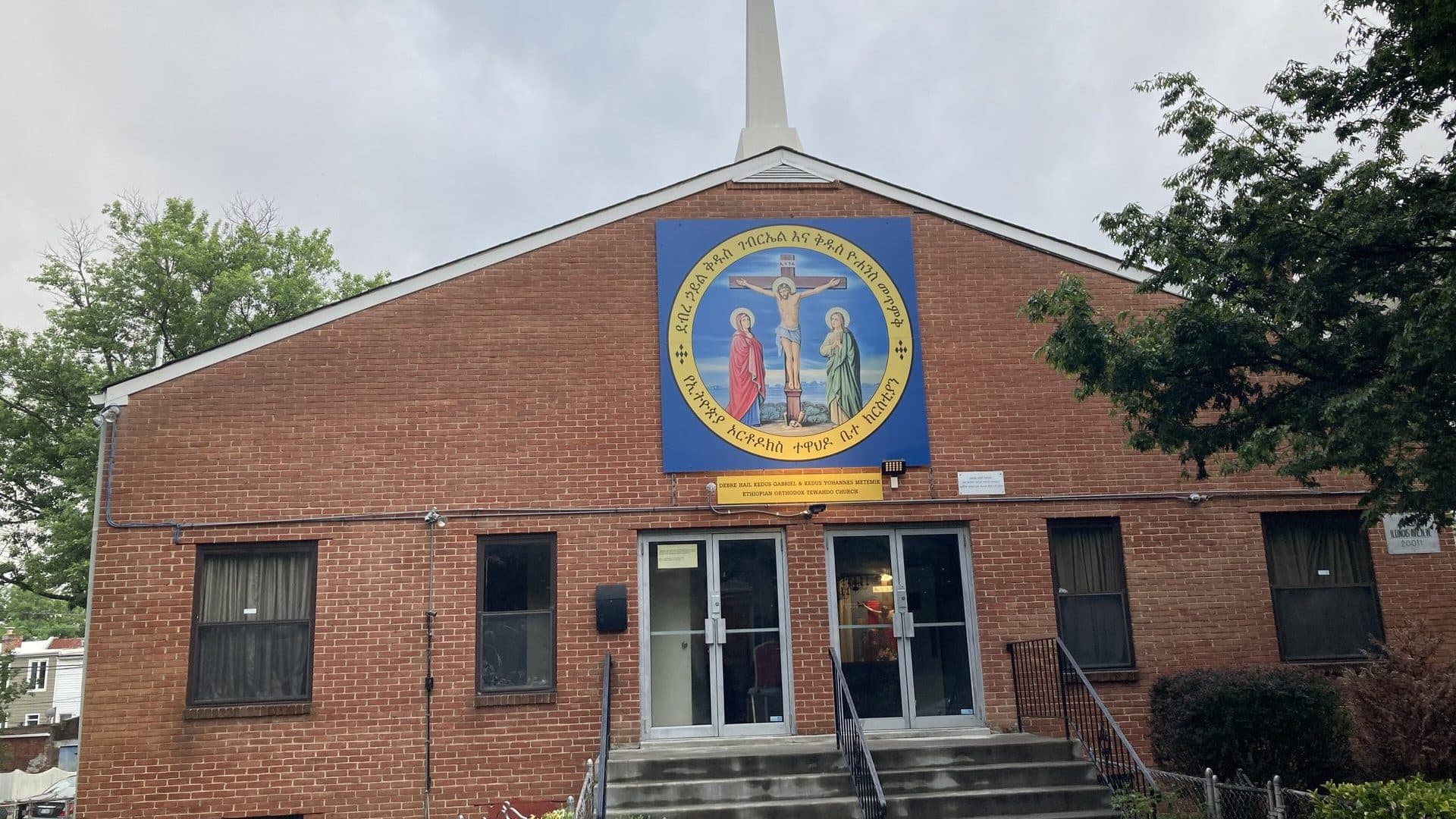
What is an idir? An idir (እድር) is an Ethiopian and Eritrean community mutual-aid society: members pay small, regular dues into a shared fund that pays out, and shows up, when a member's family faces a death or major hardship. It is insurance and presence at once, so no family grieves or carries the cost alone.
The book your idir already keeps, except it adds itself up and everyone can see it. Whose house is next, who has paid, what the fund paid out and why, and what is actually in the bank.
You will need to sign in first. It is free.
What it keeps track of
Whose house is next
The rota is drawn once, at random, and then it just runs. When it reaches the end it starts again at the top.
Who has paid
Every meeting, every member. Half payments and catch-ups included, because that is what people actually do.
What the fund did
A death, a wedding, a graduation. What the idir paid, to whom, and when. The reason the fund exists.
TiruList never touches your money
Your treasurer holds the fund exactly as they do now. This is the book, not the bank. We hold nothing and move nothing, which also means we can lose nothing. Every member gets a link showing the same numbers the treasurer sees, so the fund is never a rumour.
What is an idir?
An idir (እድር), also written iddir or eder, is a community mutual aid society in Ethiopian and Eritrean culture, formed first and foremost to stand with a family when someone dies. Members pay small, regular dues into a common fund; when a member or a member's close relative passes, the idir provides a payout and, just as importantly, shows up: helping with the funeral, the tent, the food, the chairs, and the days of mourning.[3] It is insurance, but it is also presence, the promise that no family in the circle grieves alone or shoulders the cost by itself.
It is insurance, but it is also presence: no family in the circle grieves alone.
Where it comes from
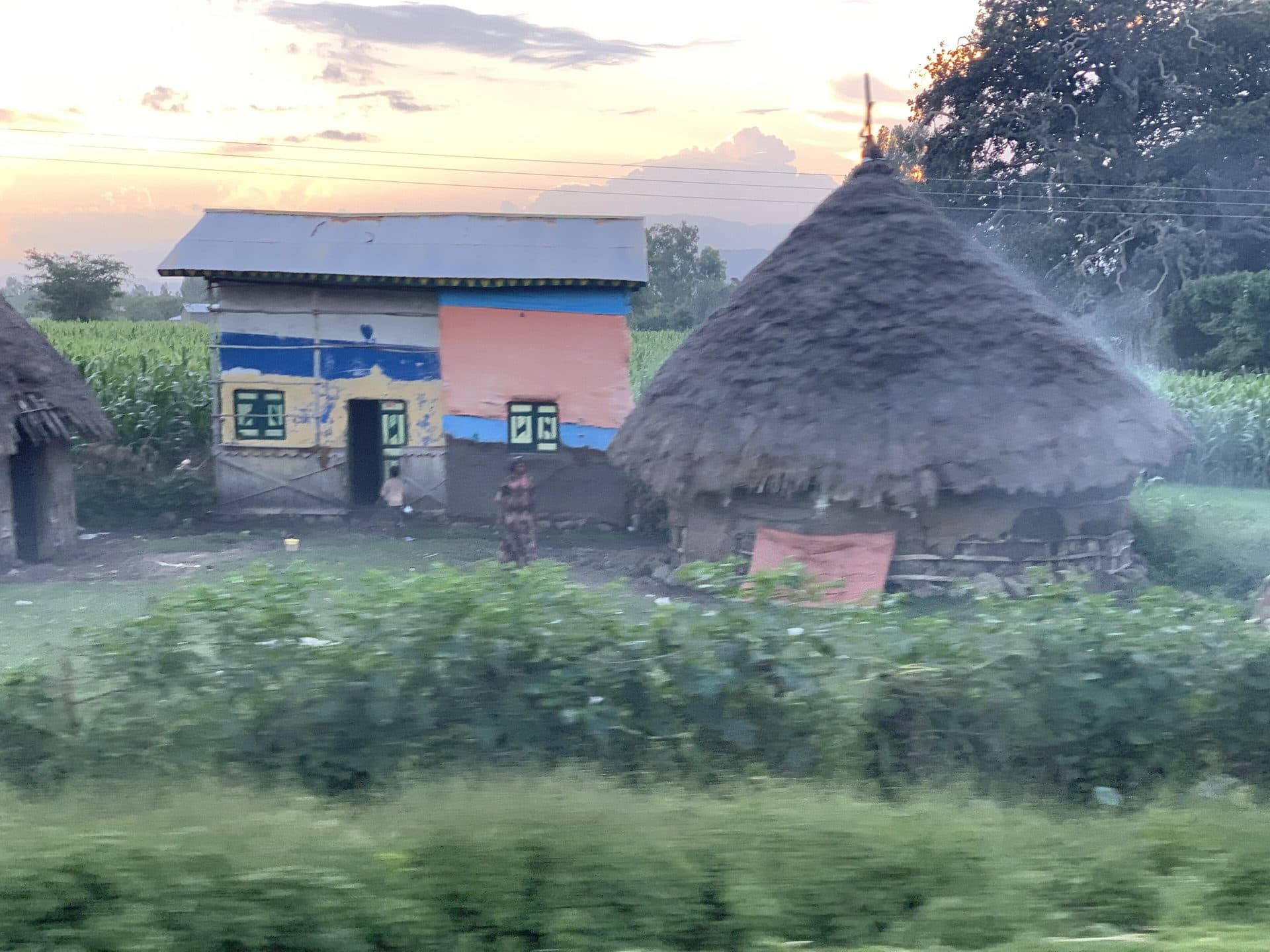
The idir is one of the most widespread community institutions in Ethiopia, found in cities and villages alike. The earliest records of idirs in Addis Ababa date to the 1930s, and scholars have traced their roots in part to the Gurage community before they spread across the country. They have endured through every change of government since, precisely because they belong to the people rather than the state. Over time many idirs have grown beyond burial support into broader roles: informal insurance, small loans, help for orphans and the vulnerable, and local development.[1]
How it works
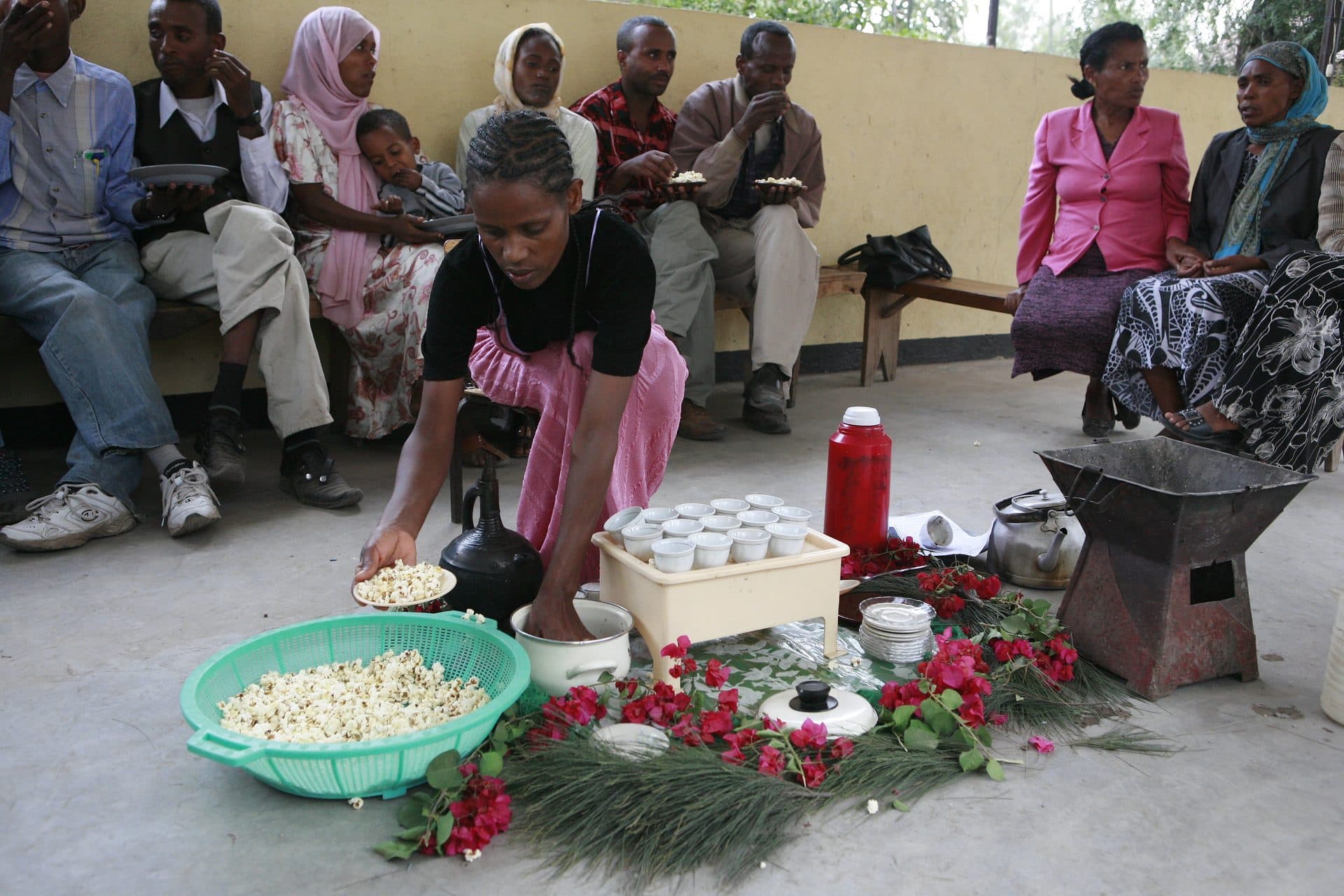
An idir is run by members, for members. People elect their own leaders and treasurer, agree on the dues and the rules, and meet on a regular schedule. Dues are modest and predictable, and the fund pays out according to rules the members set, most centrally at a death, and often for weddings, graduations, illness, or other hardship. Economists describe the idir as one of the clearest examples of an indigenous, self organized insurance arrangement, remarkable for how well it manages risk and trust without any formal contract or outside institution.[2]
Why it still matters in the diaspora
For Ethiopians and Eritreans abroad, the idir travels well. Far from home, the need it answers, dignity in grief and a community that carries the cost together, only grows. Keeping the book clearly, so every member can see the rota, the dues, the payouts, and the balance, is what keeps that trust intact. That is what our free idir tool does: it is the book, not the bank, so the fund stays with your treasurer while the numbers stay open to everyone.
The idir has a sister institution, the equb, the rotating savings circle. To learn about the church behind so many Habesha gatherings, read the Ethiopian Orthodox Church, explained, and if someone in your circle is new to the area, share the Just Arrived checklist.
Idir FAQ
- What is an idir?
- An idir (እድር) is an Ethiopian and Eritrean community mutual-aid society: members pay small, regular dues into a shared fund that pays out, and shows up, when a member's family faces a death or major hardship. It is insurance and presence at once, so no family grieves or carries the cost alone.
- How does an idir work?
- Members elect a treasurer, agree on the dues and the rules, and meet on a regular schedule. The fund pays out according to those rules, most centrally at a death, and often for weddings, graduations, illness, or other hardship.
- Does TiruList hold the idir's money?
- No. TiruList is the book, not the bank. Your treasurer holds the fund exactly as they do now; TiruList only keeps the shared record so every member sees the same numbers.
Your idir, and the businesses around it
An idir often carries funeral, faith, and family costs. Find the Habesha services in the DMV that help.
Sources
- [1]"Participation and significance of self-help groups for social development in Ethiopia." SpringerPlus (PMC). Link
- [2]"The Iddir: An informal insurance arrangement in Ethiopia." ResearchGate. Link
- [3]"Creating community: Burials, cooperation and exclusion in the Amhara eder (iddir)." Ethnos (2023). Link
Keep reading
All articles
Diaspora Life
Equb, the savings circle
The oldest savings plan we have, minus the notebook. What an equb is, where it comes from, how it works, and a free tool to run your own. TiruList never touches the money.

Diaspora Life
Just arrived in the DMV?
Welcome. The first few months are mostly paperwork. Here is the order most Ethiopian and Eritrean newcomers do it in, what each step is for, and where to get help in your own language.

Diaspora Life
The DV Lottery, explained
The green card lottery gives away up to 55,000 U.S. immigrant visas a year, chosen at random. It costs nothing to enter, and it is one of the most targeted by scams. Here is how it actually works, and how to stay safe.
The TiruList directory
Everything Habesha in the DMV, in one place.
Restaurants, churches, markets, services, and events, vouched for by the community.